Expiration, Use-By and Sell-By Dates: What do They Really Mean?
Author: Sharon Gray
Sharon.gray@uconn.edu
Reviewer:Heather Peracchio & Erica Benvenuti, UConn Extension
Publication EXT191 | January 2026
Introduction
The dates on food packaging can be confusing. Most dates tell you when the food tastes best, not when it is unsafe. In fact, there are about 50 different date labels in the United States (U.S.), and none are regulated. The tips in this fact sheet will help you know if your food is still safe to eat.
Federal Requirements
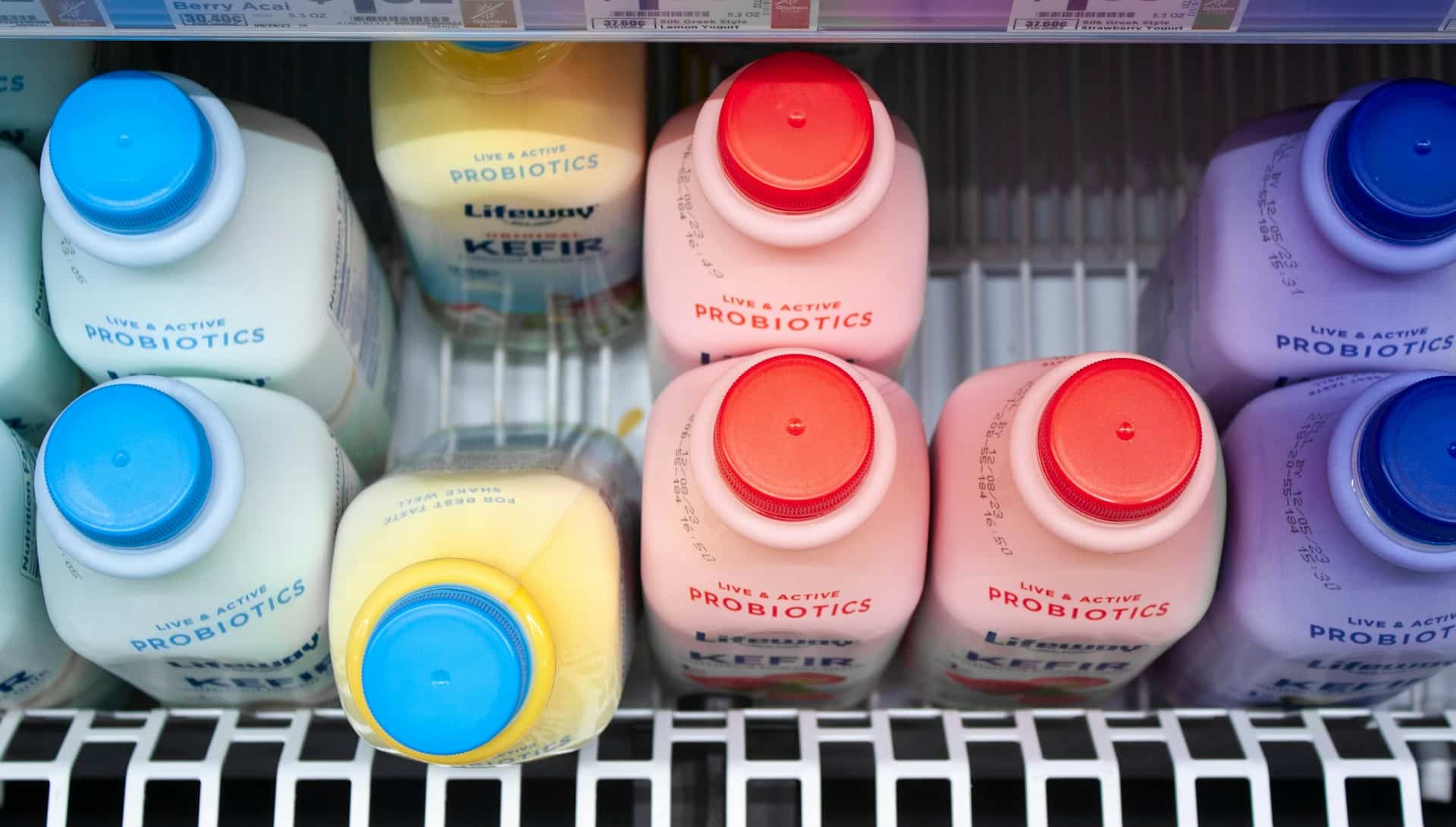
Dating is not required by U.S. Federal law, (the exception is infant formula and baby food, which must be pulled from shelves by their expiration date). For all other foods, except dairy products in some states, freshness dating is strictly voluntary on the part of manufacturers.
Meat, poultry, and egg products under the jurisdiction of the Food Safety and Inspection Service (FSIS), may have dates voluntarily applied, provided they are not misleading, and labeled in a manner that is in compliance with FSIS regulations. Also, stores are not legally required to remove outdated products from their shelves.
To ensure you get the freshest food, it is necessary to scrutinize packaging and purchase the items packaged with the most recent date. Although most markets are good at rotating their stock, some are not. If a store is properly stocked, the freshest items will be at the back of the shelf, or underneath older items. It’s important to look for signs of spoilage in food, such as white, green or black mold, off smell, texture or color. The old adage is a good guide ‘when in doubt, throw it out’.
Several U.S. Senators and House Representatives introduced the Food Date Labeling Act of 2025 to better standardize food date labels. This would establish a dual label system reducing labeling language to two phrases: one quality date indicator and one discard date indicator. The bill aims to standardize food date labels with the phrase ‘BEST if Used By’ for quality and ‘USE By’ for safety, to reduce food waste and consumer confusion. The bill has not yet passed.
Current Terms
- Expiration Date: If you have a product with an expired expiration date, throw it out. While other dating terms are used as a basic guideline, this one is absolute.
- Use-By: This label is typically used for perishable products like meat and dairy and indicates the date after which the product is not recommended for consumption due to safety concerns.
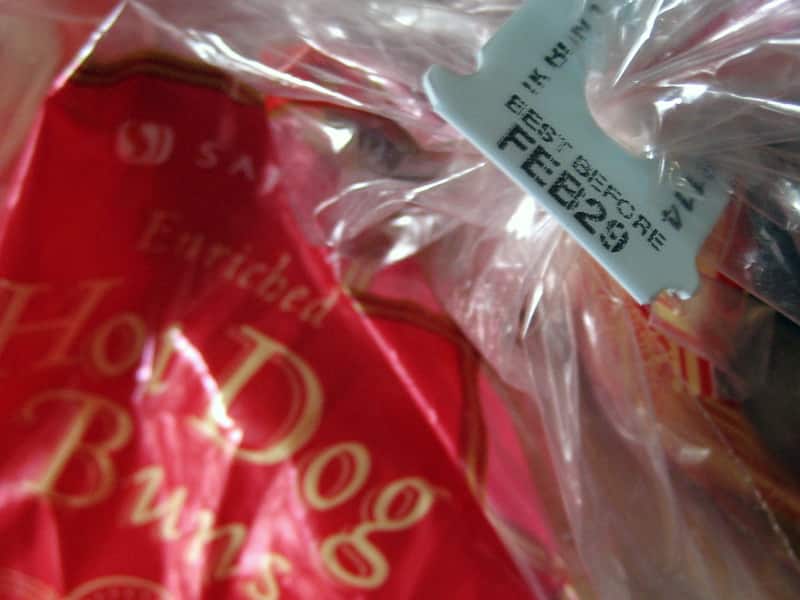
- Best if Used-By & Best Before date:‘Best Before’ or ‘Best if Used By’ dates are a suggestion for when the food item will be at its best quality. Food is generally safe if consumed past this date, but may have declined in flavor, texture, or appearance. These dates are most often found on canned goods, dry goods, condiments, or other shelf stable items. The Food and Drug Administration is supporting the food industry’s efforts to standardize the use of this on its packaged food labeling.
- Sell-By date: This date is a guideline for retailers, not consumers, to know how long to display a product for sale. Many fresh or prepared foods are labeled with a ‘Sell-By’ date as a guide for how long the item should be displayed for sale before quality deteriorates. Items are generally safe to eat after this date but may begin to lose flavor or eye appeal. ‘Sell-By’ dates are chosen with the assumption that the buyer may store or eat the item a few days after purchase. To be sure your food is fresh and will last at home, it is best not to purchaseitems that are past their ‘sell by’ date.
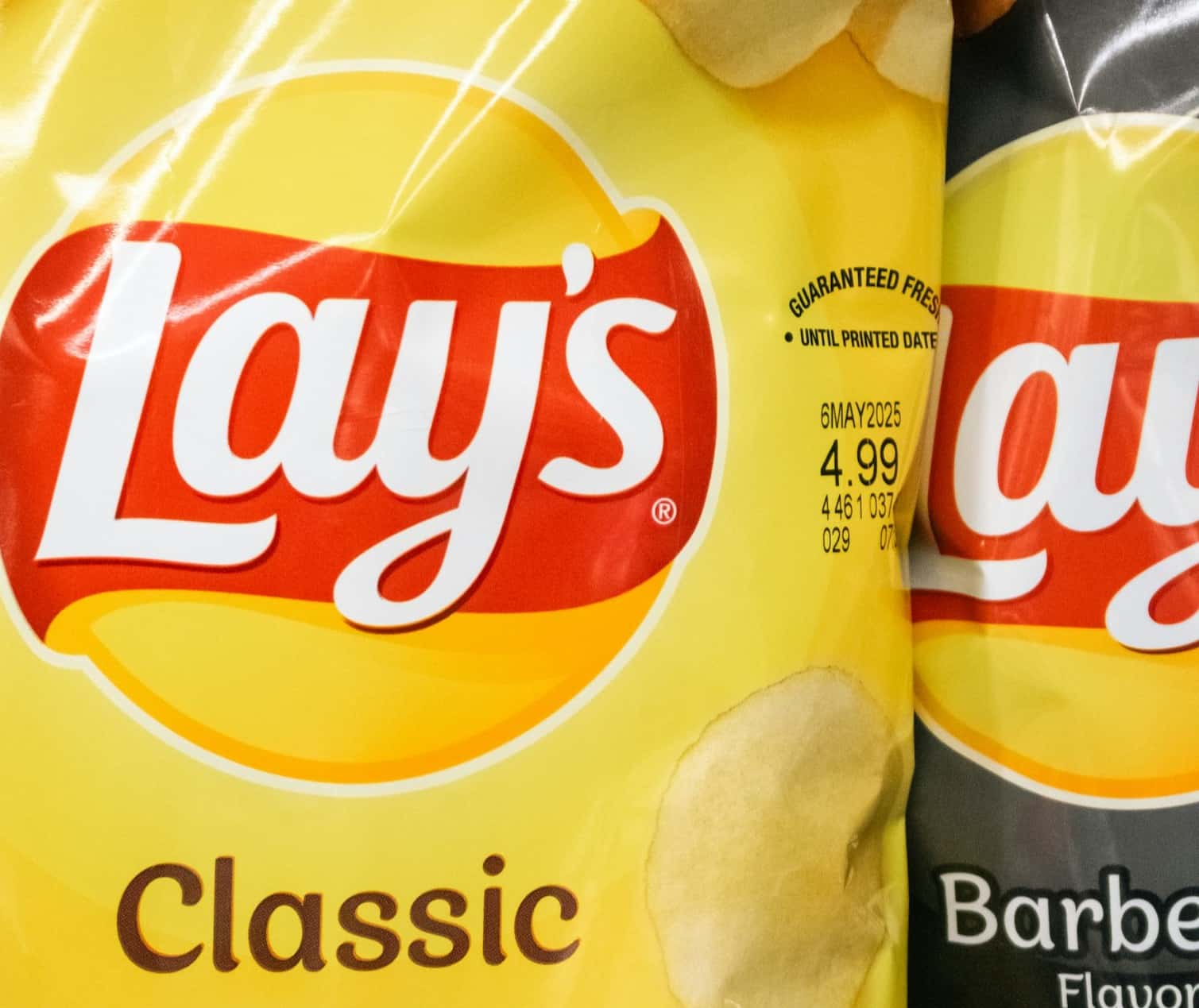
- Guaranteed Fresh: This date is often used for perishable baked goods. Beyond this date, freshness is no longer guaranteed, although it may still be edible.
- Pack date: This is the date the item was packed, most often used on canned and boxed items. It is usually in the form of a code and not easy to decipher. It may be coded by month (M), day (D) and year (Y) such as YYMMDD or MMDDYY. Or it may be coded using Julian numbers, where January 1 would be 001 and December 31 would be 365. These time stamps are generally a reference to the date, time, and location of the manufacturer, and not to be confused with expiration dates. ‘Sell-By’ or ‘Best-By’ may also be included on the can code. Many manufacturers are changing the dates on canned food from ‘Use By’ to ‘Best if Used By’ or ‘Best Before’, to lessen consumer confusion.
Considerations
All of this assumes foods are stored at the right temperature. Foods not refrigerated properly–whether at home or at the store–won't last as long regardless of what the freshness date says. So how long is the food good after the package date?
According to the U.S. Department of Agriculture’s Food Safety and Inspection Service:
- Milk is good for about a week after the ‘sell by’ date;
- Cheese can last from a few weeks to a few months past the ‘sell by’ date. Soft cheeses have a much shorter shelf life; hard cheeses last up to 4 months after the ‘sell by’ date;
- Eggs can keep for three to five weeks beyond the ‘sell by’ date;
- Fresh chicken, turkey and ground meats should be cooked or frozen within two days;
- Fresh beef, pork, and lamb should be cooked or frozen within three to five days.
Cooking or freezing extends the amount of time a food will keep. Use your eyes and nose too, to determine if foods are fresh, regardless of the date on the package.
Food Storage Tips
- Once opened, many of the dates become obsolete since the contents now become perishable. It is advisable to use the food as quickly as possible after opening it;
- Be sure to refrigerate leftovers in a covered container (not a can) and use within three to five days;
- Some canned foods (like condiments and pickled foods) will have a longer shelf life if refrigerated. Most condiments will have a warning to ‘refrigerate after opening’ on the label;
- When buying food, always check best by or expiration dates. Choose the farthest date in the future for optimum shelf life;
- Like the grocery store, rotate your stock at home. Rather than trying to determine the codes on cans, use a marker to write the purchase date on cans and packaged goods;
- Whatever the expiration date, do not open or use cans that are bugling or oozing from the seams, or those that are heavily dented;
- Most baking mixes contain fats which will become rancid with time and leaveners that lose their potency. Check the dates;
- If vegetable oils, butter, or lard have gone rancid, throw them out;
- The best storage temperature for canned foods is 65 degrees F. Higher storage temperatures can reduce shelf-life by up to 50 percent. Most commercial canned goods can last two to five years under optimal temperatures. High acid foods like fruits and tomatoes have a shorter shelf life of 12-18 months (about one and a half years). Meat, vegetables, and soups can last two to five years, although quality drops with time;
- Canned food should never be frozen. Freezing expansion can split the seams of the can or break the glass;
- Generally, foods canned in glass have a longer shelf life, but they must be stored in the dark, since light can accelerate some natural chemical reactions;
- Look at cellophane, plastic, and box packages at the store to be sure they have not been punctured or torn. Once the seal is penetrated, the shelf life of the contents is drastically shortened;
- Bring food home quickly from the store, and store it properly for maximum shelf life;
- Trust your vision and smell; if it looks and/or smells bad, throw it out;
- Vinegars, honey, vanilla or other extracts, sugar, salt, corn syrup, and molasses will last virtually forever, with slight change in quality;
- Dried beans and lentils remain safe for years; with age they become tougher and take longer to cook;
- Mustard and mayonnaise have exceptionally long shelf lives; ketchup can turn color after a year, but still is palatable;
Resources
The Food Keeper App https://www.foodsafety.gov/keep-food-safe/foodkeeper-app
Safe Food Handling and Preparation https://www.fsis.usda.gov/food-safety/safe-food-handling-and-preparation/food-safety-basics/food-product-dating
Zielińska D, Bilska B, Marciniak-Łukasiak K, Łepecka A, Trząskowska M, Neffe-Skocińska K, Tomaszewska M, Szydłowska A, Kołożyn-Krajewska D. Consumer Understanding of the Date of Minimum Durability of Food in Association with Quality Evaluation of Food Products After Expiration. Int J Environ Res Public Health. 2020 Mar 3;17(5):1632. doi: 10.3390/ijerph17051632. PMID: 32138334; PMCID: PMC7084339.
Do Food Expiration Dates Really Matter? (August 26,2025). NY Times https://www.nytimes.com/2025/08/19/well/eat/food-expiration-dates-effective.html
Patra, D., Henley, S., Benefo, E., Pradhan, A. & Shirmohammadi, A. (June 2022). Understanding and addressing food waste from confusion in date labeling using a stakeholders’ survey, Journal of Agriculture and Food Research, Volume 8, 2022, https://doi.org/10.1016/j.jafr.2022.100295.
The information in this document is for educational purposes only. The recommendations contained are based on the best available knowledge at the time of publication. Any reference to commercial products, trade or brand names is for information only, and no endorsement or approval is intended. UConn Extension does not guarantee or warrant the standard of any product referenced or imply approval of the product to the exclusion of others which also may be available. The University of Connecticut, UConn Extension, College of Agriculture, Health and Natural Resources is an equal opportunity program provider and employer.