Blueberry Pruning Guide
Author: Evan Lentz
Evan.Lentz@uconn.edu
Reviewer: Shuresh Ghimire and Mary Concklin, UConn Extension
Publication EXT177 | January 2026
Introduction
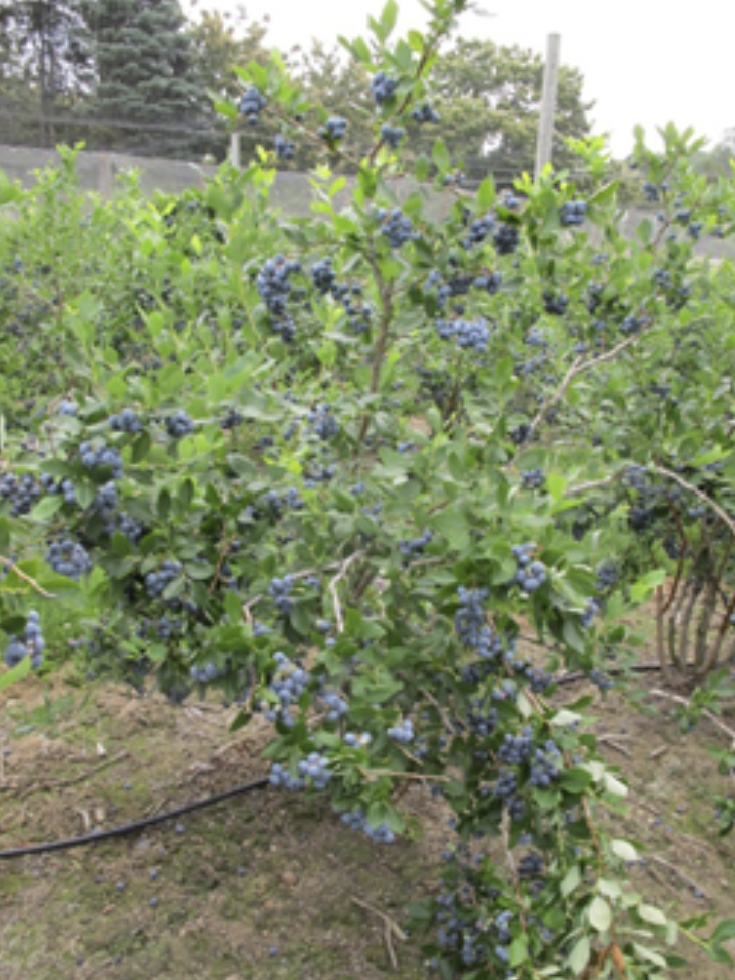
Whether growing blueberries commercially or in a home garden, regular and thoughtful pruning is one of the most important aspects of cultural management. Well-pruned blueberry bushes will produce high-quality, large berries for decades (Figure 1).
This fact sheet provides a step-by-step guide to pruning blueberries complete with benefits, details on making cuts, and differences between pruning young and established bushes.
Benefits of Pruning
- Consistent cropping;
- Balance between vegetative and reproductive growth;
- Increased plant vigor and overall health;
- High quality, large berries;
- Increased sunlight penetration;
- Increased fruit bud development;
- Reduced disease inoculum and overwintering insects;
- Reduced disease severity;
- Reduced insect pest pressure.
When to Prune
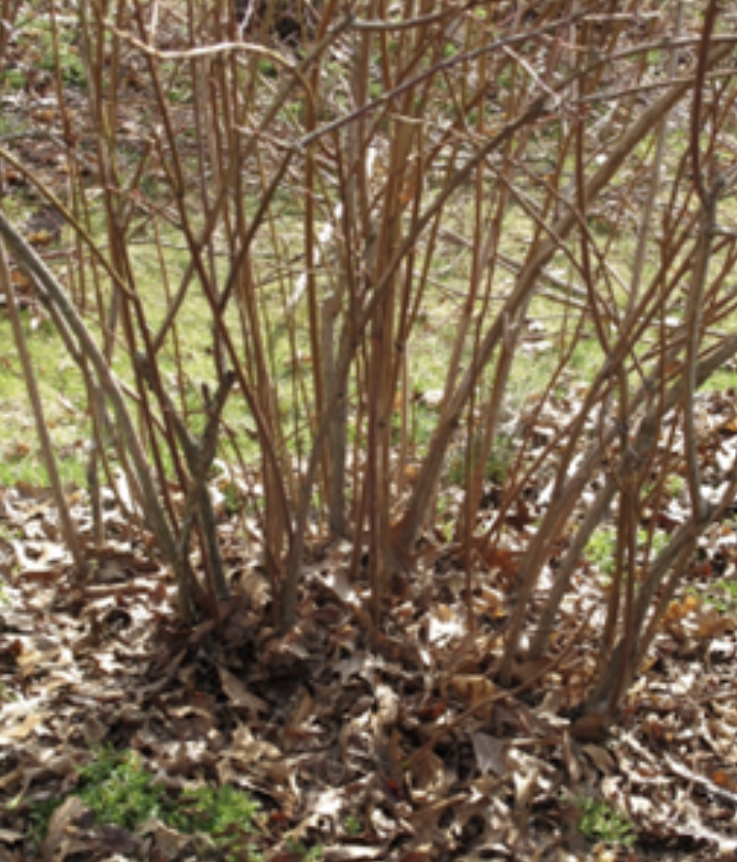
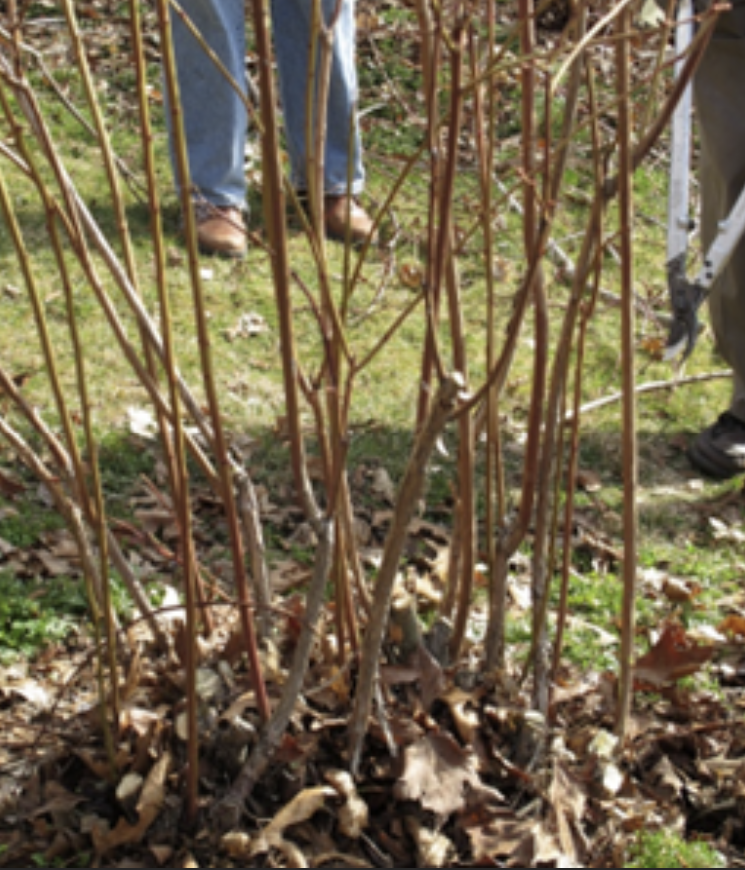
All pruning should be done when the plants are fully dormant in late winter through early spring.
Pruning Cuts
There are generally two types of pruning cuts.
The first is called a heading cut. A heading cut is defined as a cut that removes a portion of a stem or shoot.
The second is called a thinning cut. A thinning cut is defined as a cut that removes an entire stem/shoot down to the base of the plant. For blueberries, thinning cuts are the most important because they encourage new cane development and open the plant up for all of the reasons listed above.
Heading cuts should only be used to remove crossing laterals branches after the thinning cuts have been made.
Pruning Through Year Three
- In the first two years, remove:
- Flower buds to redirect energy to vegetative growth. This should be done in year three as well, if the bush has not grown well in the first two years’
- Dead, broken, weak, diseased, low or crossing canes.
Year Three and Beyond
- A mature blueberry plant should have around 18 canes per plant;
- There should be no canes older than six years old. After year six, canes begin to drop in production;
- Aim for two to three canes per one year of growth. [3 canes x 6 years = 18 canes per plant];
- Every Year
- Remove the three oldest canes, AND
- Remove all but three new vigorous canes to replace the ones you removed
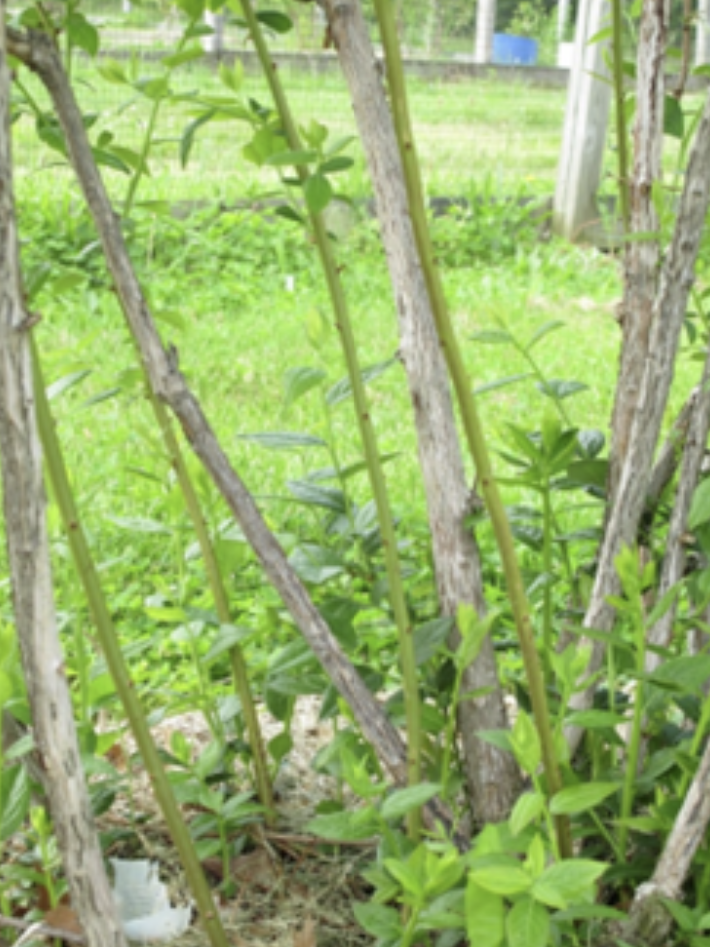
- If you notice that you do not have good shoots generating from the base of the plant, check the soil pH to make sure it is within range and/or add nitrogen (Figure 3).
Rejuvenation/Renewal Pruning
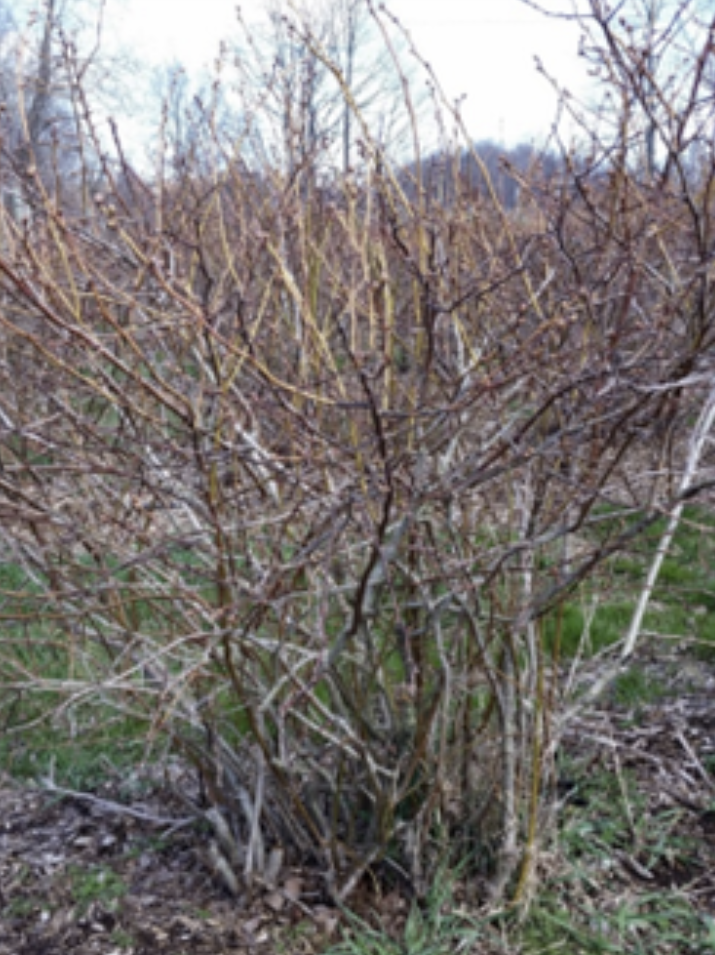
Sometimes bushes may become too overgrown or unproductive to selectively thin (Figure 4). In this case, renewal or rejuvenation pruning could help to shock the plant back into good fruit producing condition.
To renewal prune blueberry bushes, remove at least 1/3, and up to all, of the plants canes. Make sure that the pH is within acceptable range (4.5-5.0) and fertilize.
Once new shoots have regenerated, utilize the above guidelines.
Resources
New England Small Fruit Management Guide https://www.umass.edu/agriculture-food-environment/fruit/ne-small-fruit-management-guide/highbush-blueberries
UMass Extension Blueberry Pruning Factsheet https://www.umass.edu/agriculture-food-environment/fact-sheets/pruning-blueberries
University of Maine Extension Blueberry Pruning https://extension.umaine.edu/highmoor/2024/03/29/prune-your-blueberries/
The information in this document is for educational purposes only. The recommendations contained are based on the best available knowledge at the time of publication. Any reference to commercial products, trade or brand names is for information only, and no endorsement or approval is intended. UConn Extension does not guarantee or warrant the standard of any product referenced or imply approval of the product to the exclusion of others which also may be available. The University of Connecticut, UConn Extension, College of Agriculture, Health and Natural Resources is an equal opportunity program provider and employer.