Identifying Major Pests of Bedding Plants in Connecticut
Author: Emily Leahy & Nicholas Goltz, Plant Science. and Landscape Architecture Dept. & Charles S. Krasnow, Extension Dept.
Charles.krasnow@uconn.edu
Reviewer: Victoria Wallace, UConn Extension; Yonghao Li, Connecticut Agricultural Experiment Station
Publication EXT192 | January 2026
Introduction
There are multiple challenges to growing bedding plants in greenhouse conditions. Warmth and moisture in greenhouses provide conditions for many insects and pathogens to flourish, and vigilance is needed. This fact sheet examines the pests and the conditions favorable to their spread.
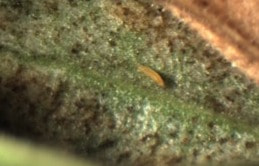
Western flower thrips (Frankliniella occidentalis) cause damage to greenhouse plants, both through feeding damage and transmitting viruses. Adults are one-to-two mm long, with narrow bodies and transparent wings.
Body color ranges from light yellow to darker shades of yellow, orange, and brown. Females insert their eggs into plant tissue directly, and larvae hatch a week later.
During development, larvae drop into the soil below their host plant to pupate. Using piercing-sucking mouthparts, thrips feed on a variety of host plants, draining the cell contents. Damage by adult thrips can cause tissue distortion and silver scarred patches and flecking.
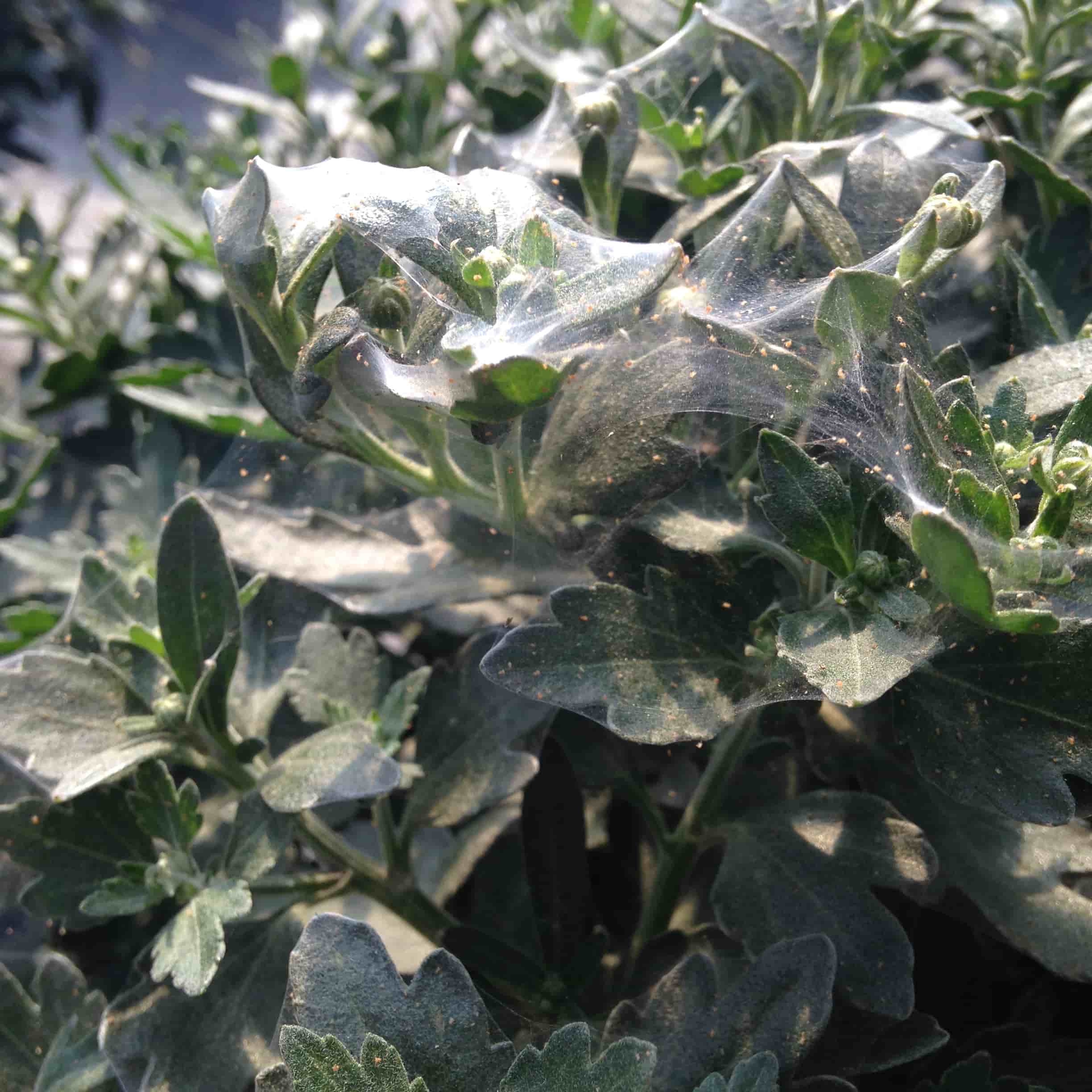
Two-spotted spider mite (Tetranychus urticae) is a ubiquitous pest in greenhouse environments and thrives in warm greenhouse temperatures. Adult females are less than a millimeter long. displaying two dark spots on either side of their light yellow and green oval-shaped bodies. Females lay 100 eggs during their three-to-four-week life span.
Two-spotted spider mite larvae can feed directly after hatching, with piercing sucking mouthparts. Mites most often gather on the protected undersides of leaves, especially close to midveins. They produce characteristic webbing on infested plants.
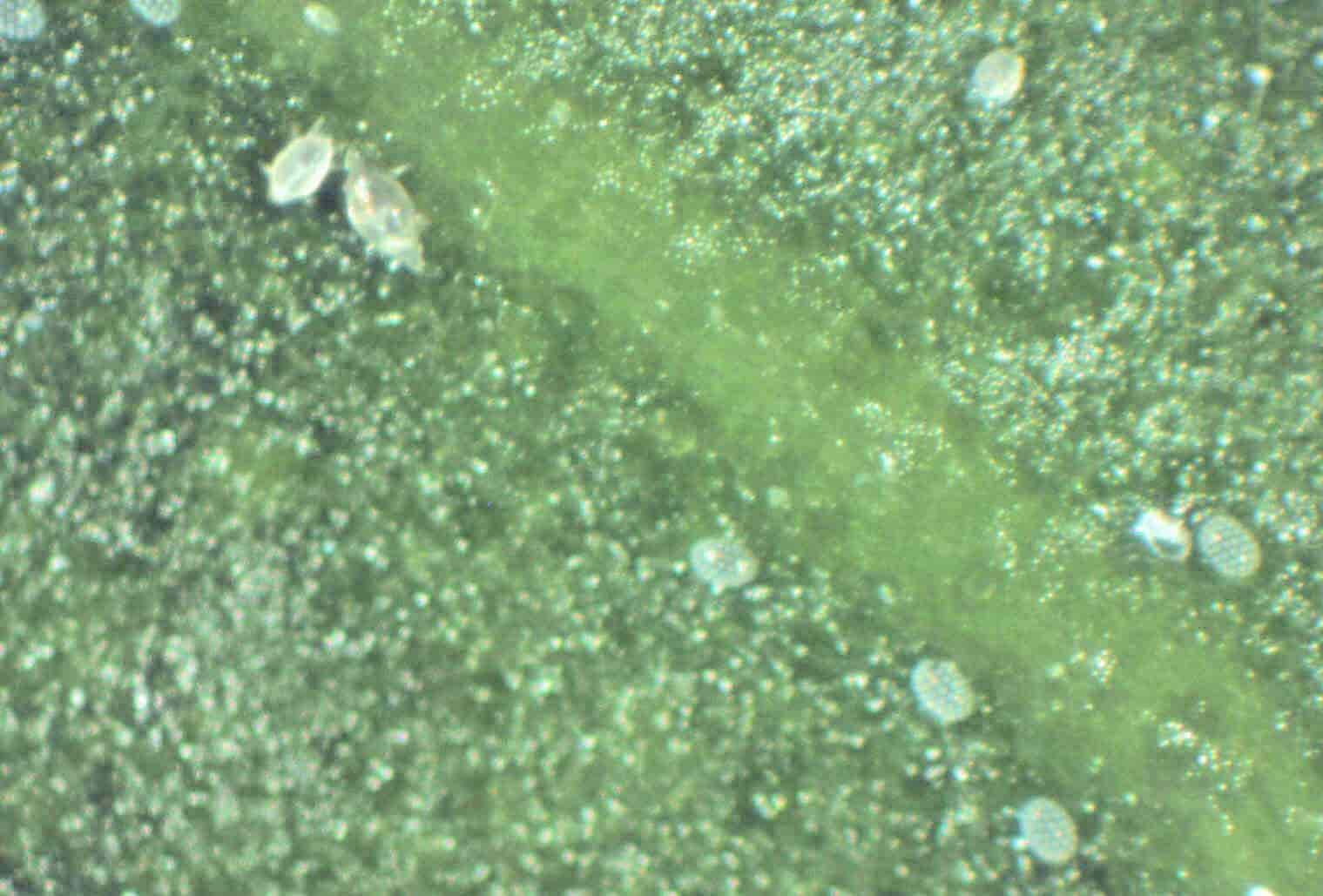
Broad mites (Polyphagotarsonemus latus) have a brief life cycle. Adults are small insects less than one mm long. Temperatures ranging from 70° to 80° F encourage the development of broad mites. They infect the growing points of their host plants.
A mite body is transparent to light brown with a white stripe down the middle of its back. Eggs are elliptical shaped with small white bumps on their surface.
As broad mites feed, they release a toxin through their saliva which causes leaves to distort, twist, and harden. Leaf expansion is inhibited by feeding, resulting in the ends of leaves turning downwards and puckering. Observation and identification of broad mites typically require the aid of a hand lens or dissecting microscope.
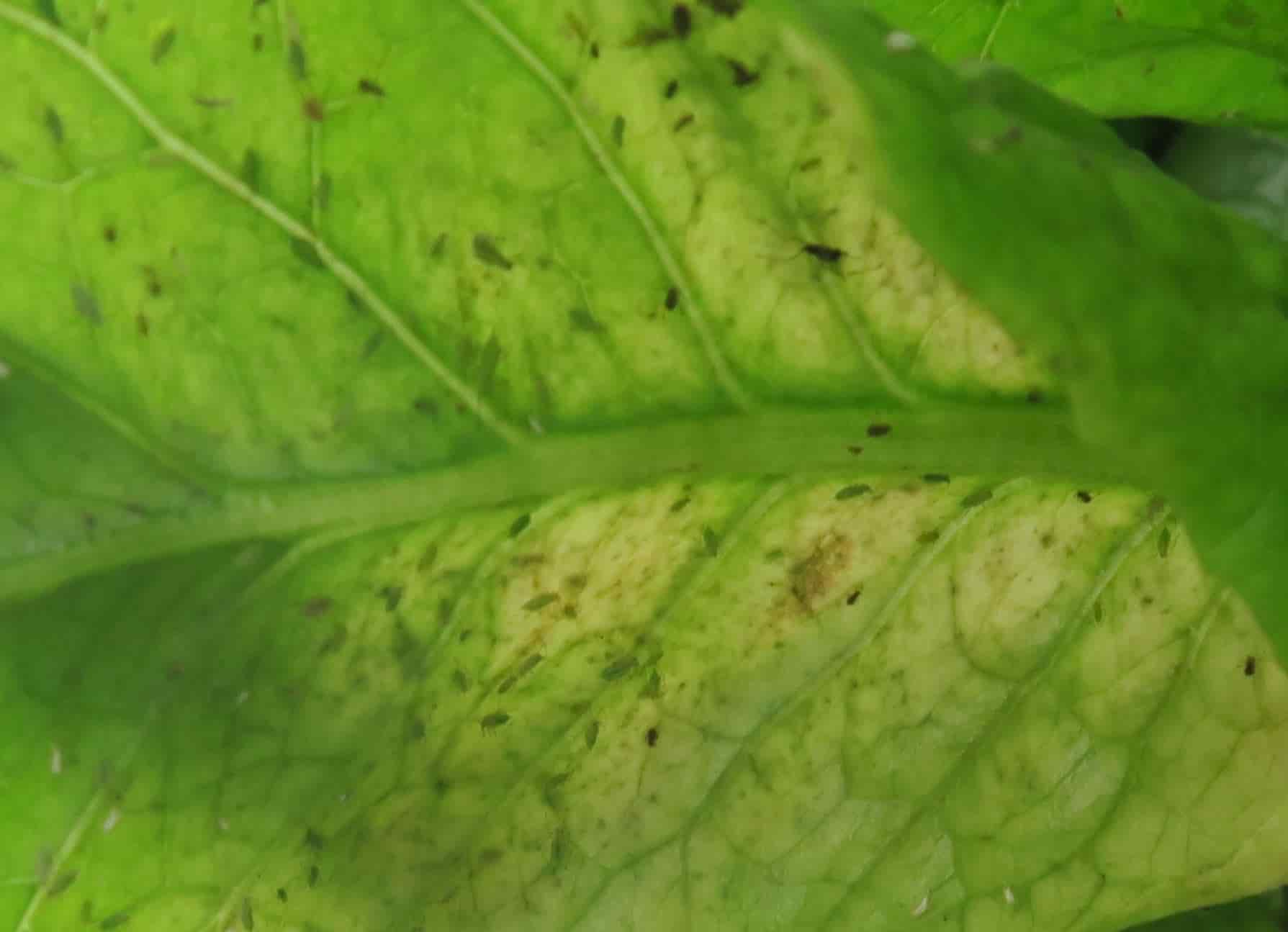
Aphids (Aphididae) are a common pest of greenhouse plants. The most common aphids are the melon/cotton aphid, green peach aphid, and foxglove aphid.
The persistence of aphid infestations can be attributed to their reproductive abilities. As soon as one week after birth, nymphs can mature into adults and begin reproducing. Generally, aphids have approximately three mm long pear-shaped bodies, with long legs, antennae, and cornicles at the posterior of the abdomen.
Most aphids are wingless, although winged adults can appear when populations are abundant. allowing them the quick ability to move to other host plants.
Aphids damage their hosts by piercing the plants phloem to extract sap. This feeding causes distorted, stunted growth, diminishing the plant’s overall vigor. Aphids release ‘honeydew’, a sugary sap, as they feed. Aphids can be found on buds, stems, and the underside of leaves. Their presence is also evidenced by white casts left behind after molting.
Whiteflies (Trialeurodes vaporariorum) are important pests of poinsettia and many other ornamentals. The two species found most often observed are the greenhouse whitefly (T. vaporariorum) and the sweet potato whitefly B-biotype (Bemisia tabaci).
Greenhouse whitefly adults are white, nearly 1.6 mm long, and have wings which lie flat over their body. Whitefly eggs are gray to amber-brown. Nymphs latch onto the leaf to feed with their piercing mouthparts, leaving leaves with chlorotic and mottled appearances.
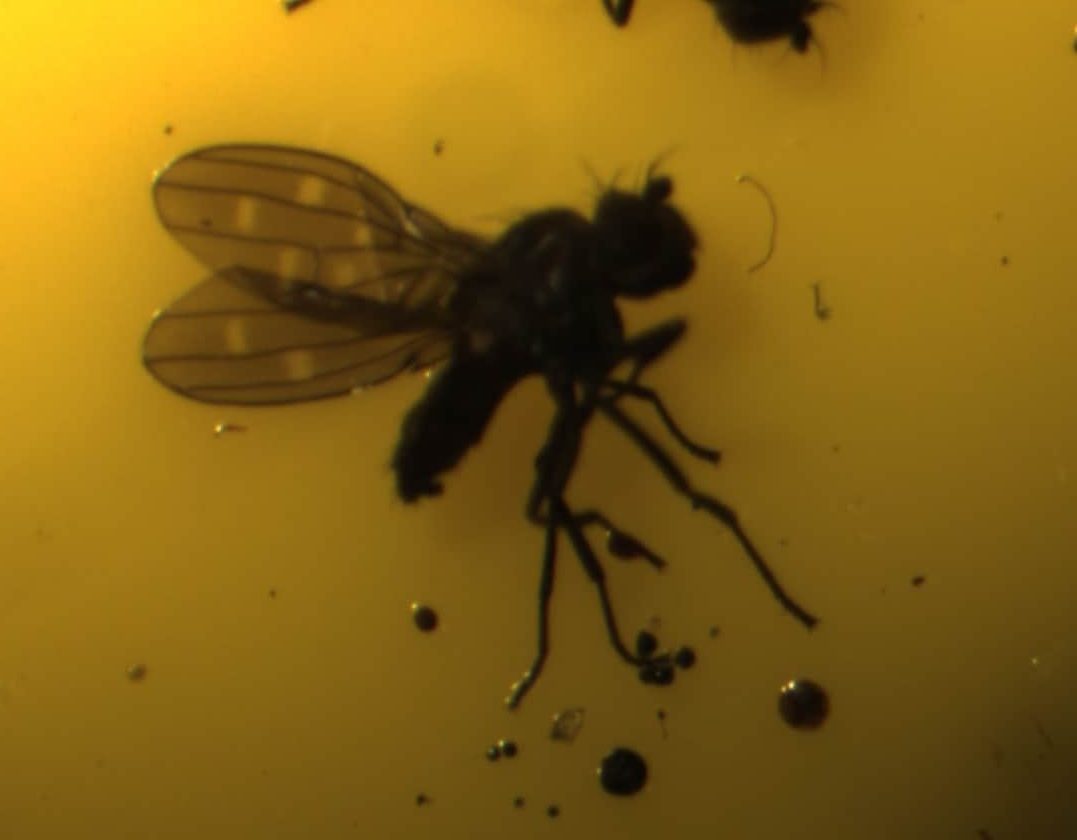
Shore fly (Scatella stagnalis), often described as a nuisance pest in greenhouses, feed on algae and decomposing organic matter. They are found in moist environments and prefer warm greenhouse temperatures. Adults are just over three mm long, and appear similar to a house fly, with a stocky dark gray or black body with white spots on the wings.
Remaining localized to soil, algae, or other wet areas, females lay small, white eggs. The eggs hatch into larvae (maggots) which are yellow-brown. Shore flies do not feed on healthy plants. Their presence is bothersome to customers and workers as they fly above plant canopies and rest on their surfaces.
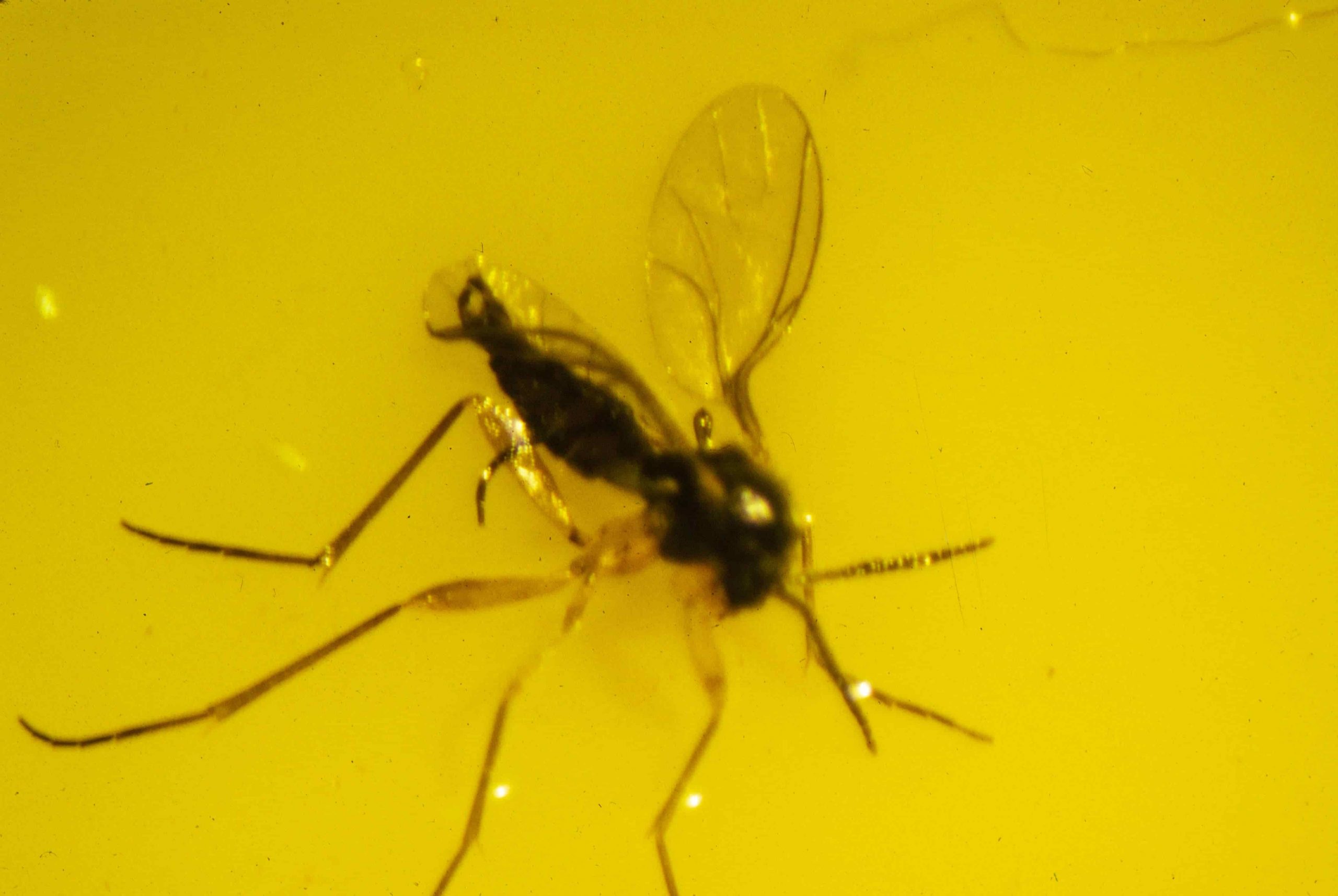
Fungus gnats (Bradysia spp.) are common pests of a wide range of ornamentals. Fungus gnats thrive in moist, warm environments, which promote the growth of fungi one of their main food sources.
Adults are about 1/8 in. in length with thin gray and black bodies. Their legs and antennae are distinctive, along with a Y-shaped vein that runs near the tip of a transparent pair of wings. Females lay over a hundred white-yellow colored eggs in clusters of damp soil or growing media.
Damage inflicted by fungus gnats is localized to the roots and stems of hosts, most harmful to young plants and seedlings. Larvae are typically found in the top one-two inches of growing media.
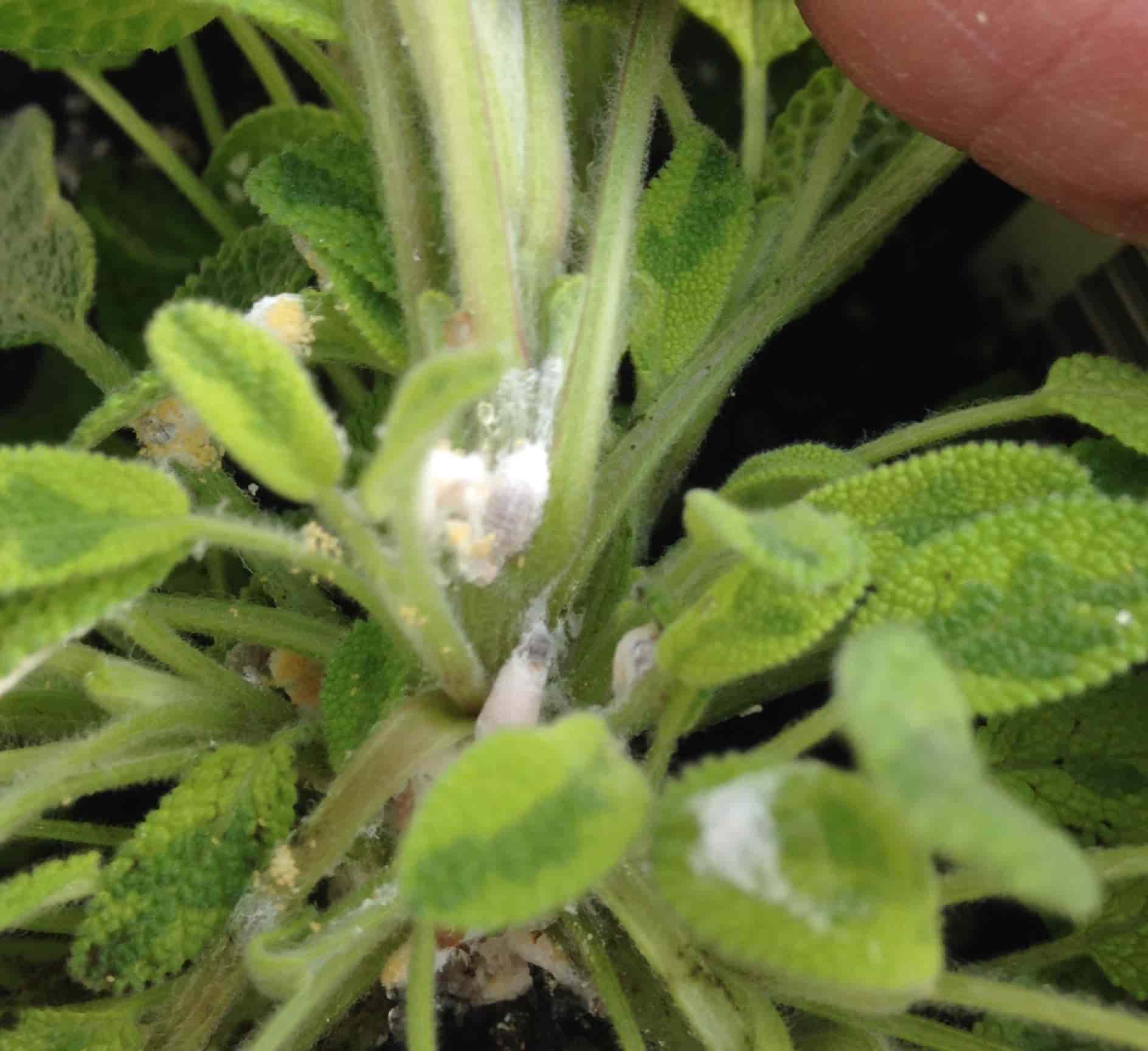
Mealybugs (Pseudococcuss spp.) often gather on leaf and stem axials, petioles, and on the underside of leaves, or near the base of plants.
There are several species of mealybug found in greenhouses; the citrus mealybug, the long tailed mealybug, and the obscure mealybug. Adults vary in size from one to five mm long with a white, waxy coating covering the body and protruding waxy filaments.
Most mealybugs have oval-shaped bodies with or without a stripe down the back. Females lay yellow-orange eggs, encased in a cottony sac, in masses of potentially hundreds of individuals.
Eggs hatch after five to 10 days, and develop into immature nymphs or crawlers. Mealybugs feed by inserting their piercing mouthparts into leaves and stem axials.
Diseases
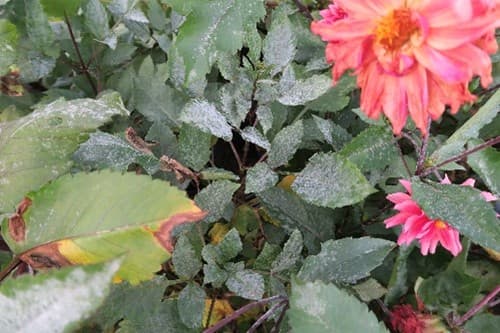
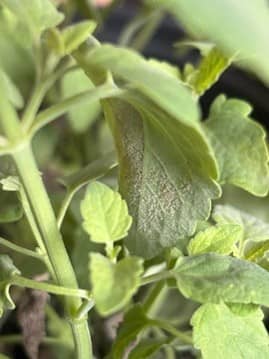
Powdery Mildew (Oidium spp., Golovinomyces spp.) disease is commonly found in the greenhouse. Powdery mildew is characterized by white powdery fungal growth on the leaves and stems of plants.The leaves will eventually become completely covered by white fungal growth, start turning yellow, and may abscise. The pathogen produces abundant spores that spread via air currents around the greenhouse. In some species, small black fungal survival structures may be produced on infected leaves.
Downy Mildew(Peronospora spp., Plasmopara spp.) is a troublesome disease for bedding plants and potted flowers. Downy mildew will rapidly blight and kill leaves. The disease leads to a reduction in growth, leaf drop, and eventual plant death. Sporulation of the pathogen can be observed when humidity is high in the morning on the undersides of infected leaves. As humidity decreases the spores are dislodged and become airborne.
Germination and infection occur within hours when humidity is high. Symptomatic plants display yellow leaves with occasional necrotic vein-delimited lesions.
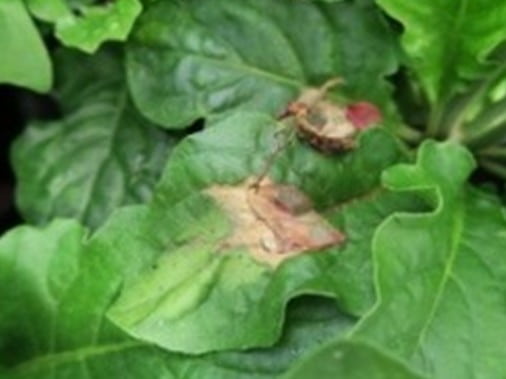
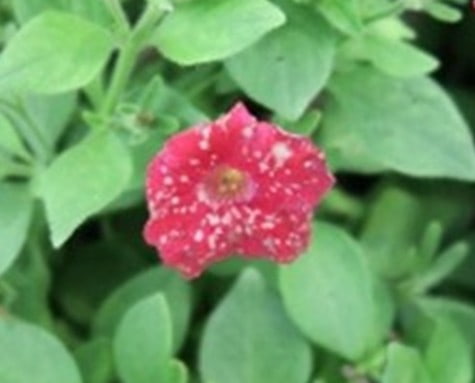
Leaf and Flower Blight (Botrytis cinerea) gray mold is frequently observed in greenhouses. Botrytis produces abundant sporulation on diseased plants and can grow on senescing and dead tissue. Leaves can be infected during any stage of production by the pathogen. Infected leaves may display large lesions with fuzzy gray mold. The spores spread around the greenhouse in air currents.
Flower blight from Botrytis is extremely common in greenhouse production. Initially there are small water-soaked spots on the petals. When humidity is high, especially during cloudy weather, the spots enlarge and profuse amounts of gray spores develop. Hanging baskets with plants that have shattering petals should be avoided or localized in the greenhouse, to limit this nutrient source of the pathogen.
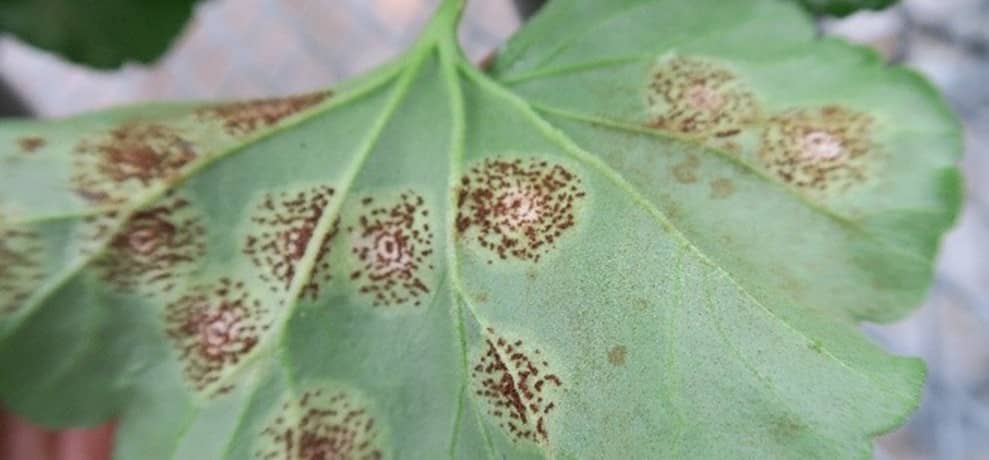
Leaf Rust (Puccinia spp., Coleosporium spp.). This pathogen is usually host-specific.Infected plants develop small yellow-whitish spots on the underside of leaves that are pustules full of spores. The pustules break open to reveal brown spores of the pathogen that spread readily via air currents. On the upper side of the leaf, yellow spots corresponding to the lesion below can be observed. Usually there is an initial and secondary lesion as the infection spreads, producing a target-like appearance on the leaf.
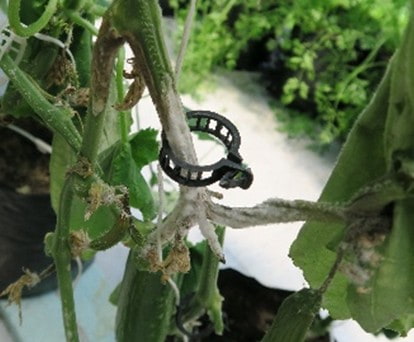
Stem Rot (Sclerotinia sclerotiorum) infects many crop species in the greenhouse.The pathogen is readily identified by the white mold that forms on infected stems, often starting at the soil line or at the site of wounds from pruning or pinching. Black hard fruiting structures form on infected plant tissues. These fruiting structures allow the pathogen to overwinter in the greenhouse.
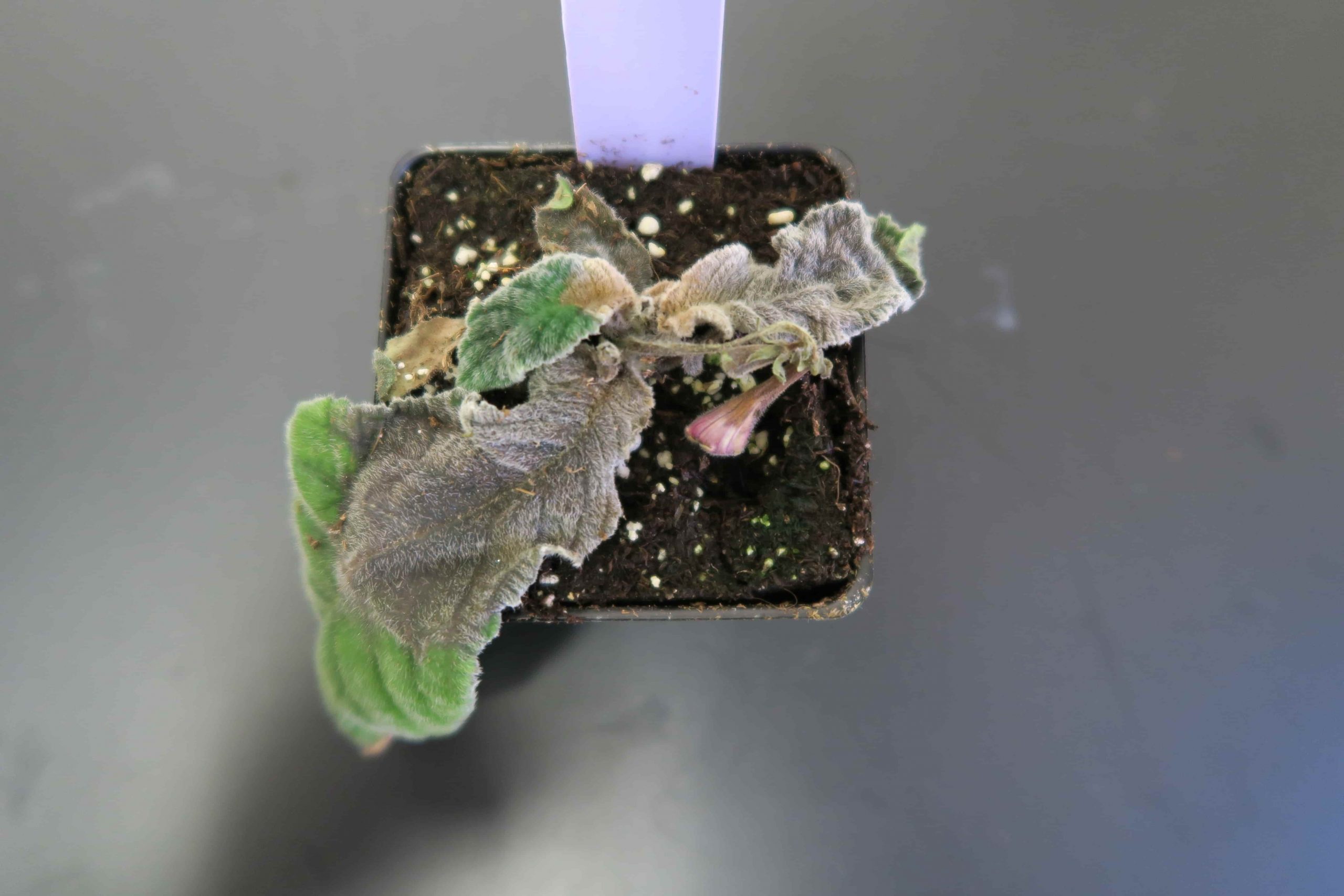
Wilt and Root Rot (Phytophthora spp.). During the initial stages of infection by Phytophthora the leaves of ornamentals flag during the heat of the day. The plants wilt rapidly and irreversibly during the next stage of infection. Roots of infected plants are discolored, soft, and water soaked. Often the disease progresses to the plant crown and develops a lesion at the soil line. Phytophthora will produce abundant lemon-shaped sporangia and some species will produce oospores (survival spores) in infected roots.
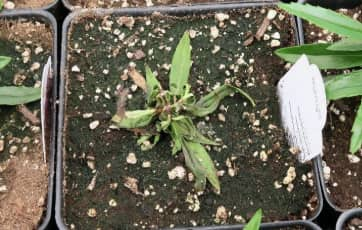
Damping Off (Pythium spp., Rhizoctonia solani). There are a number of pathogens that cause damping off, leading to poor seedling growth and uneven plant stands in trays. The pathogens grow rapidly under the moist conditions during seeding development and propagation. Infected seedlings become constricted at the soil line or lower stem and fall over. The stem may have a wire-like appearance. Spores of the pathogens move around the greenhouse in dust and recirculating irrigation water.
Resources
Pundt, L. (2023). Broad Mites and Cyclamen Mites on Greenhouse Crops. UConn Extension. https://ipm.cahnr.uconn.edu/wp-content/uploads/sites/3216/2023/10/2023broadmitescyclamenmitesfinal.pdf
Pundt, L. (2013). Managing Aphids in the Greenhouse. UConn Extension. https://ipm.cahnr.uconn.edu/wp-content/uploads/sites/3216/2023/11/2023managingaphidsinthegreenhousefinal-2.pdf
Sanderson, J.P. (2003). Western flower thrips. Cornell University. http://hort.cornell.edu/greenhouse/pests/pdfs/insects/WFT.pdf
Smith, T. (2015). Western Flower Thrips, Management and Tospoviruses. UMass Extension Greenhouse Crops and Floriculture Program. https://www.umass.edu/agriculture-food-environment/greenhouse-floriculture/fact-sheets/western-flower-thrips-management-tospoviruses
Smith, T., Madeiras, A. (2022). Aphids on Greenhouse Crops. UMass Extension Greenhouse Crops and Floriculture Program. https://www.umass.edu/agriculture-food-environment/greenhouse-floriculture/fact-sheets/aphids-on-greenhouse-crops
UMass Extension Greenhouse Crops and Floriculture Program. (n.d.). Broad Mite. UMass Extension Greenhouse Crops and Floriculture Program. https://www.umass.edu/agriculture-food-environment/greenhouse-floriculture/photos/broad-mite
The information in this document is for educational purposes only. The recommendations contained are based on the best available knowledge at the time of publication. Any reference to commercial products, trade or brand names is for information only, and no endorsement or approval is intended. UConn Extension does not guarantee or warrant the standard of any product referenced or imply approval of the product to the exclusion of others which also may be available. The University of Connecticut, UConn Extension, College of Agriculture, Health and Natural Resources is an equal opportunity program provider and employer.