Edible Mushroom Nutrition Facts
Author: Sharon Gray
Sharon.Gray@uconn.edu
Reviewer: Erica Benvenuti, UConn Extension
Publication EXT157 | September 2025
Introduction
Mushrooms are popular in dishes not only for their unique flavors, but also for their nutritional and health benefits.
Mushrooms are fungi, separate from plant and animal species. For thousands of years, Greeks and Asian civilizations have eaten mushrooms as a source of strength and healing. Mushrooms are popular in the United States as a flavorful, versatile and nutritious food.
While there are thousands of species of mushroom, only about two dozen are accepted for use as food. This fact sheet will review the commercially produced food types of mushrooms available, nutrition and health benefits, and mushroom supplements. This guide does not discuss wild mushrooms.
Nutrition
Mushrooms are a good source of protein, low in fat and calories and rich in vitamins and minerals. They are useful for vegetarian diets as they provide all essential amino acids and have a higher protein content than most vegetables. They are a good source of B vitamins (B2, B3, folate, and B5), phosphorus, vitamin D, selenium, copper and potassium. The amount of vitamin D mushrooms contain varies widely and depends on how long they have been exposed to ultraviolet (UV) light.
Health Benefits
Mushrooms sold in supermarkets typically are grown in dark, controlled environments. However, some growers expose mushrooms to UV light to increase their content of vitamin D. Mushrooms that have been specifically treated with UV light may carry a label on the front of the package that says ‘UV-treated’ or ‘rich in vitamin D’.
Mushrooms also contain polysaccharides, indoles, polyphenols and carotenoids–all of which have antioxidant properties. Mushrooms are one of the few foods that contain an amino acid, glutamate, which provides umami–a rich, savory flavor also found in meat, fish, and cheeses.
Mushrooms are packed with nutrients and have plant compounds with antioxidant, anti-inflammatory and anti-cancer effects. Various polysaccharides in mushrooms, including beta-glucans, exert cancer-fighting properties. Mushrooms help with cognition, gut health, cardiometabolic diseases and cancer prevention.
- Mushrooms fight cell damage - Antioxidants have been shown to fight oxidative stress and inflammation, which contribute to aging and chronic diseases.
- Improved brain function - Studies have shown mushrooms, like Lion’s Mane, may help slow cognitive decline.
- Support bone health - Mushrooms treated with UV light are a good source of vitamin D, which is important for healthy bones.
- Lower diabetes risk - Mushrooms are high in fiber, which can lower the risk of type 2 diabetes. Polysaccharides in mushrooms may help protect against diabetes by reducing oxidative stress.
- Improve gut health - Mushrooms contain substances to help balance the gut microbiome (fungi, bacteria and viruses) and fuel the growth of good bacteria (prebiotic).
Mushrooms Found in Stores
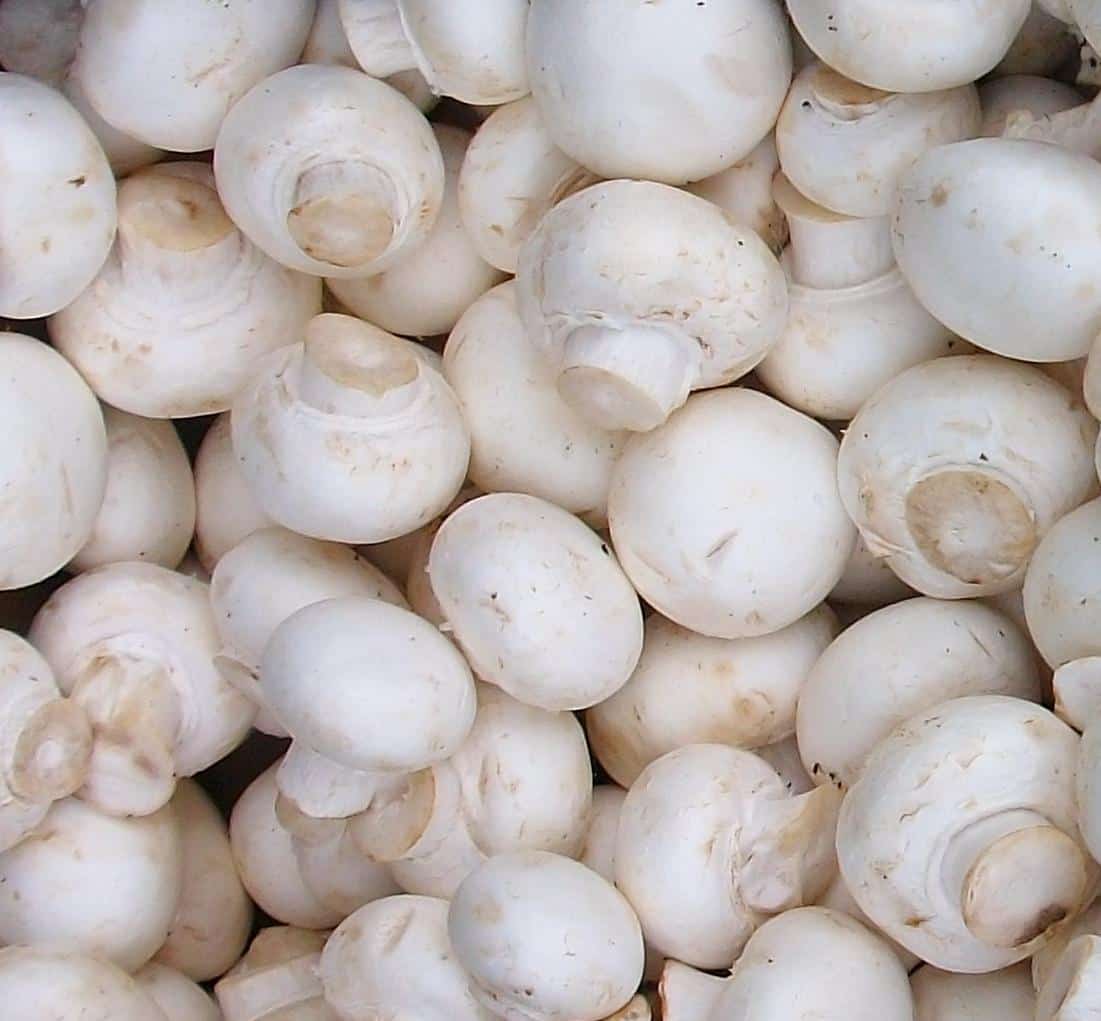
Button
This is the most popular mushroom in the U.S. It is mild tasting and can be eaten raw or cooked. They are a good source of B vitamins, selenium, copper, potassium and antioxidants.
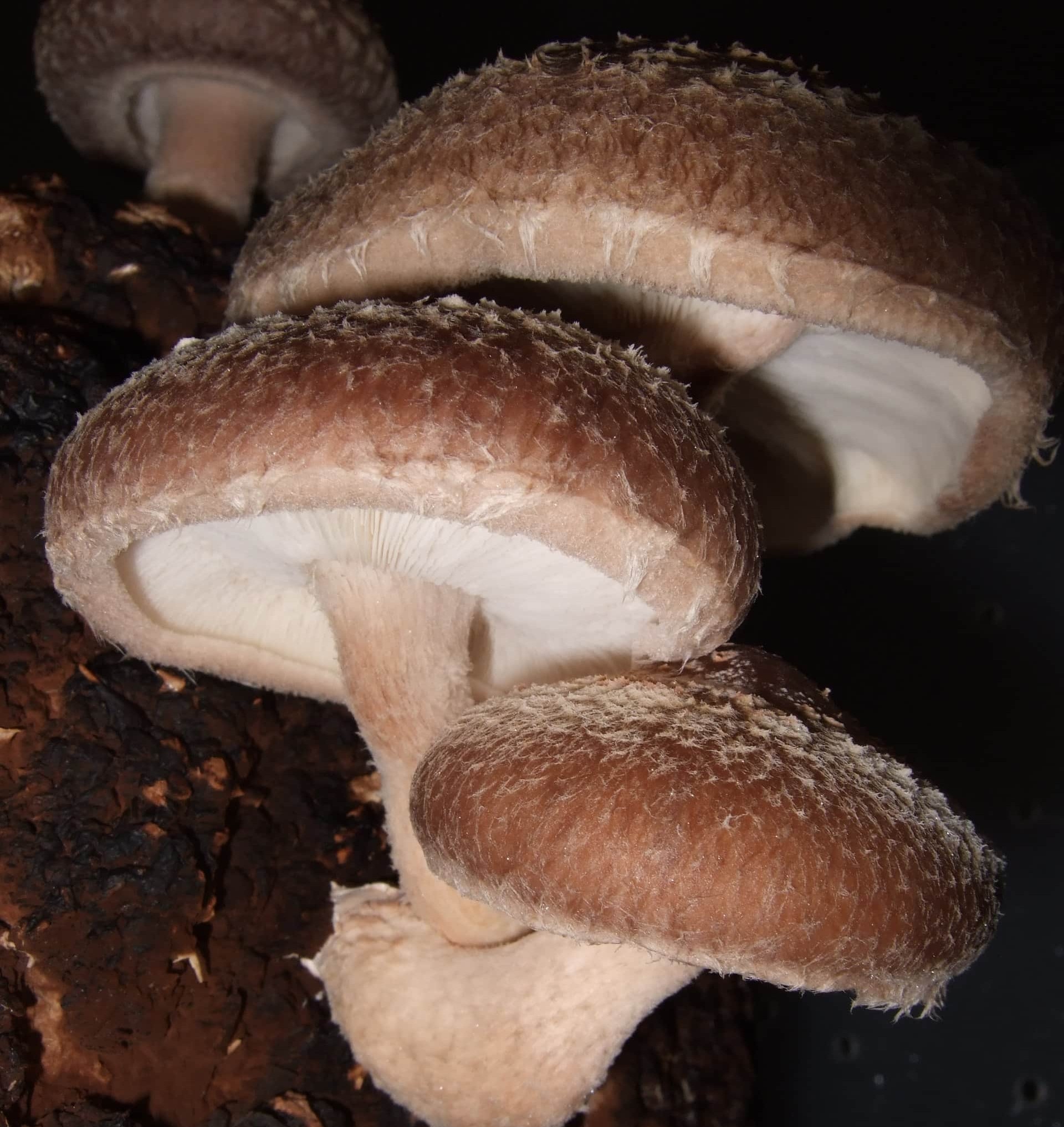
Shiitake
These have a rich, savory tase (umami). They contain B vitamins, copper, selenium and vitamin D. They also contain beta-glucans, which enhance immune function.
Cremini (Baby Bella)
This is a young portobello mushroom that is dark and firm. They are rich in B vitamins, copper, selenium, potassium, antioxidants and fiber.
Portobello
These are mature cremini mushrooms, with a dark brown thick cap. They work well as a meat substitute due to their large size and meaty texture. Nutrition is the same as cremini.
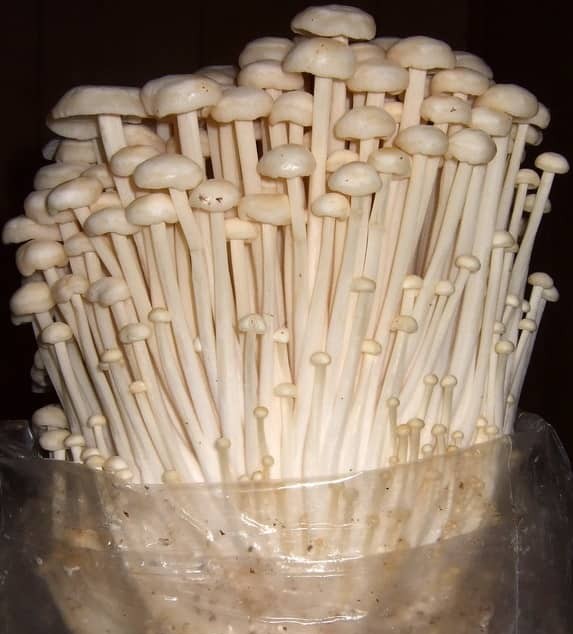
Enoki
These mushrooms have long, thin white stems with small white caps. They have a crisp texture and mild flavor. They are best lightly sauteed and are rich in B vitamins, potassium, phosphorus, copper and antioxidants.
Maitake
This mushroom has a frilled, fan-like appearance. They are high in vitamin D, B vitamins, copper, potassium, zinc and selenium and have beneficial beta-glucans. Studies indicate they may help with blood sugar regulation.

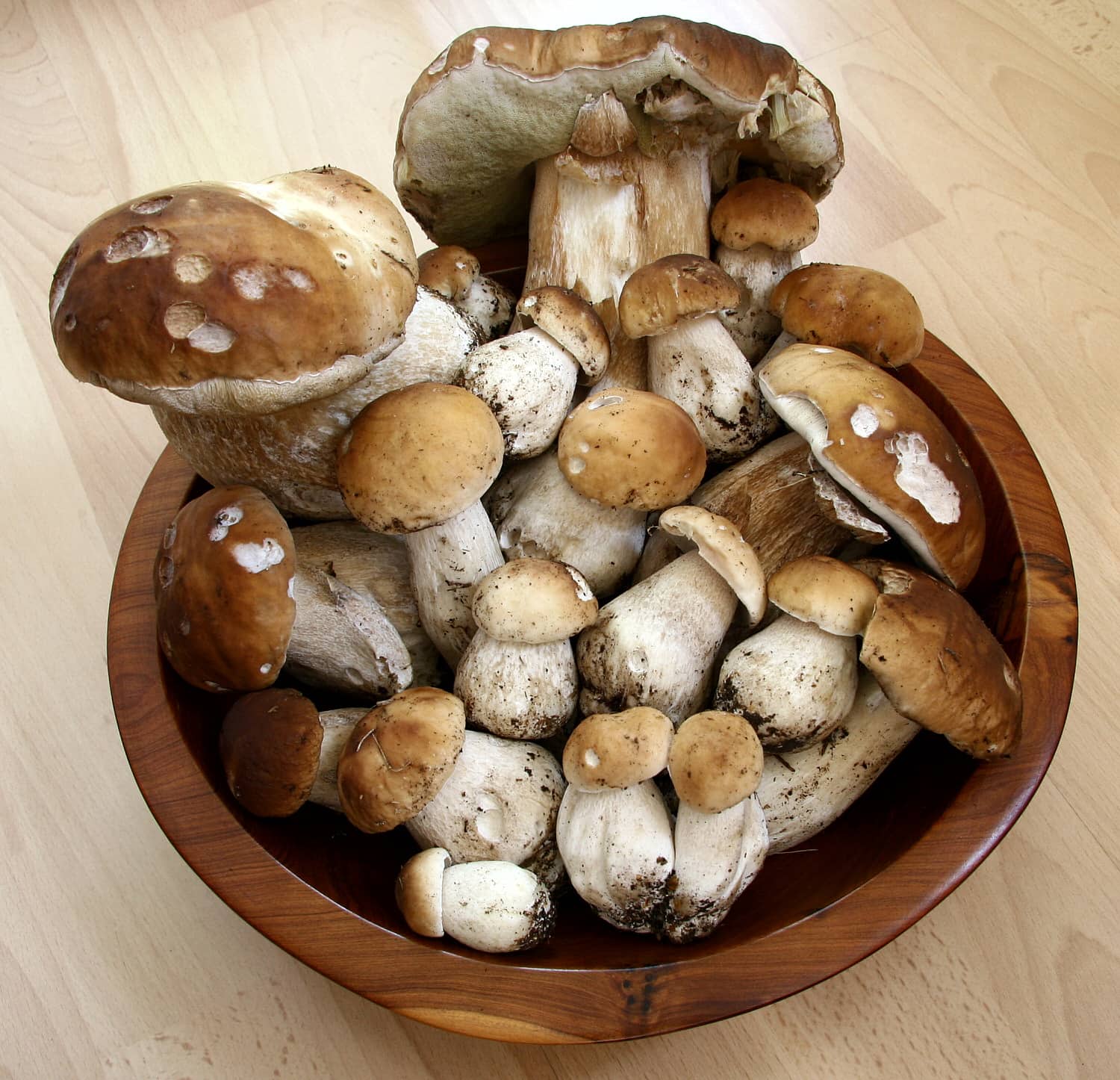
Porcini
This mushroom has a reddish-brown rounded cap and a thick stem. They have a rich, nutty flavor and meaty texture, and are used in many cuisines, especially Italian. They are rich in B vitamins, copper, selenium, iron, potassium and antioxidants.
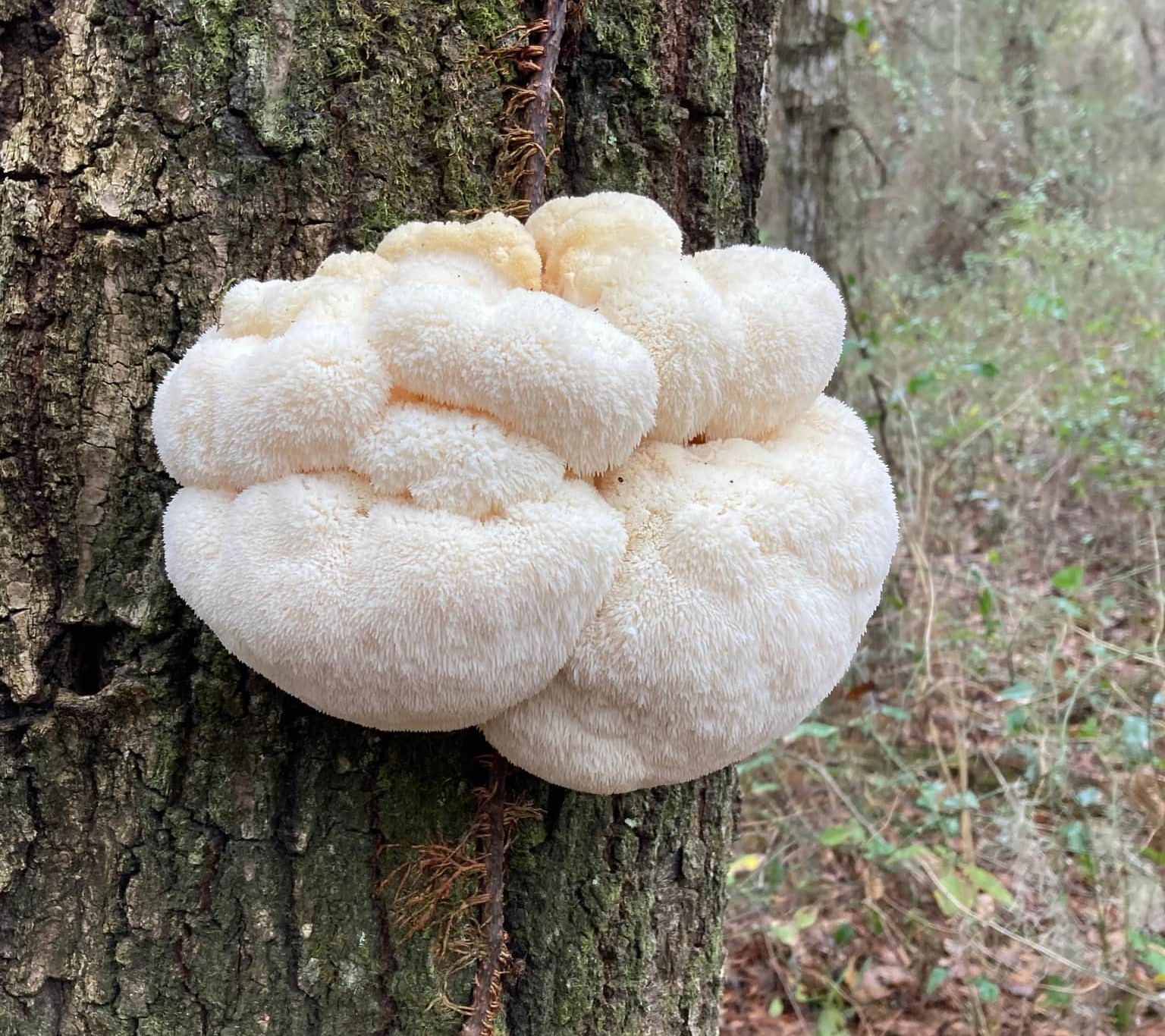
Lion’s Mane
These are large, white, shaggy mushrooms that resemble a lion’s mane as they grow. They are popular in Asia for both culinary and medicinal purposes. These mushrooms are popular for cognitive benefits. They contain compounds that may promote nerve growth and improve brain function.
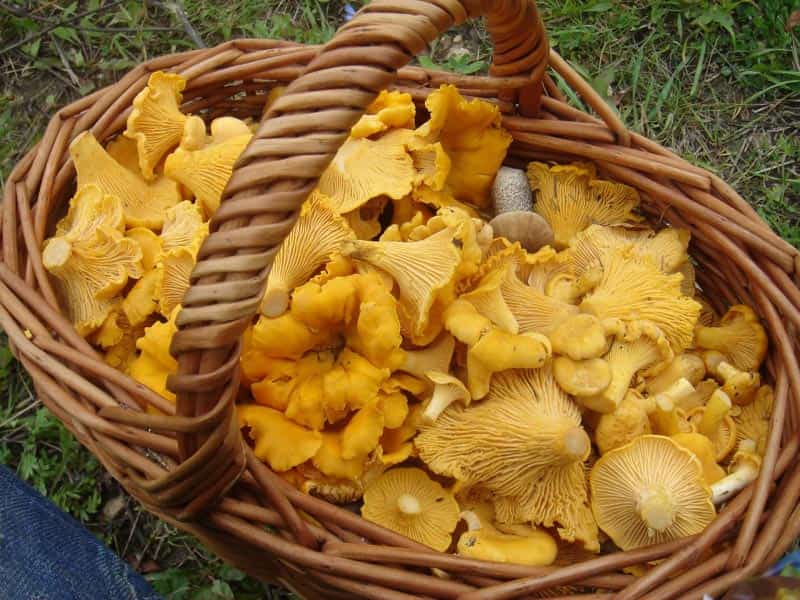
Chanterelle
These mushrooms have funnel-shaped caps and range in color from golden yellow to orange and white. They have a meaty texture, and are rich in vitamin D, B vitamins, copper, potassium and antioxidants.
Chaga
These mushrooms are not usually eaten. Instead, they are mostly consumed in powdered form, or as a tea. They provide protection against inflammation and oxidative stress, and may support immune function. They are rich in B vitamins, vitamin D, potassium, calcium zinc, antioxidants and beta-glucans.
Storage
Purchase mushrooms with firm whole caps and an even texture. They should be refrigerated before use, and consumed within one week. Do not wash or clean them until they are used. Mushrooms do not freeze well, given their high percent water content.
Fresh mushrooms are available all year long. Wild mushrooms are available seasonally, usually in summer and fall. Dried and canned mushrooms are available all year long.
How to Cook
Mushrooms are best cooked quickly and over high heat, or simmering on low heat, such as in soups, to best preserve nutrients. Cooking in water or microwaving may cause loss of water-soluble nutrients such as B vitamins and potassium.
-
- Add chopped mushrooms into salads, soups, omelets, stir-fry, chilis or pasta sauces;
- Sauté in olive oil or butter;
- Grill large portobello mushroom caps;
- Substitute chopped mushrooms for meat in recipes (¼ -1/2 substitution in a recipe).
Garlic Butter Shiitake Mushrooms- Recipe from Mushroom Council
Garlic Butter Shiitake Mushrooms
Source - Mushroom Council
Prep Time: 5 minutes
Cook Time: 10 minutes
Total Time: 15 Minutes
Yield: 2 (1x)
Author Katherine Salom, Girl Gone Grilling
Looking for a bold way to grill shiitake mushrooms? Try this cast iron recipe packed with flavor.
Ingredients
Scale: 1x
- 6–8 ounces shiitake mushrooms, whole (no need to remove stems)
- 2 tablespoons butter
- 2 cloves garlic, minced
- 1 tablespoons soy sauce
- Optional: chopped parsley for garnish
Instructions
- Preheat your grill to medium heat and place a cast iron skillet directly on the grates.
- Add butter to the skillet and let it melt.
- Stir in garlic and shiitake mushrooms. Sauté for 1-2 minutes, then add soy sauce.
- Continue cooking for 8-10 minutes, stirring occasionally, until mushrooms are golden brown and crispy at the edges.
- Garnish with parsley, if desired. Serve hot.
Mushroom Supplements
One of the fastest growing supplement markets in the U.S. is mushrooms. There are hundreds of mushroom supplements on the market–and not all are effective.
Mushroom supplement companies use one of two different forms of mushrooms in their formula; the mushroom cap and stem (called the fruiting body) and mycelium.
Avoid mycelium as it tends to have grain fillers, like rice or oats. In addition, supplements can come in either powder or extract form. Powders are cheaper to manufacture; however, they provide the least health benefit for the consumer.
Beta-glucans need to be extracted from the cell walls of a mushroom. Powders do not allow absorption of beta-glucans, which are important for immune support and protection against cognitive decline.
Mushroom supplements are classified as dietary supplements and fall under the regulation of the Dietary Supplement and Health and Education Act (DSHEA) of 1994. Under DSHEA, supplements do not require pre-market approval or evaluation by the Food and Drug Administration (FDA).
This lack of regulation and monitoring means that supplements are not monitored to ensure that they actually contain the ingredients, or the amount of active ingredients declared by the manufacturer. The FDA has not approved the use of medicinal mushrooms as a treatment for cancer or any other medical condition.
There are seven different types of medicinal mushrooms found in various supplements: Lion’s Mane, Reishi, Cordyceps, Chaga, Turkey Tail, Shiitake and Maitake. Ingredients should be sourced from the fruiting body of mushrooms, not mycelium and as extracts not powders.
Look for products with a bio-availability enhancer which is necessary for the best absorption. Lastly, look for a reputable company with third party monitoring and testing, such as NSF International or United States Pharmacopeia (USP). Most products do not meet this standard.
Mushroom supplements are generally safe for you as they do not include the psychedelic variety, but rather extracts of the beneficial medical mushrooms. Individuals allergic to mushrooms should avoid these supplements.
Some research has demonstrated an increased risk of developing allergic reactions and liver damage with overuse of these supplements. In addition, medicinal mushrooms in supplements can interact with various medications, leading to undesirable side effects or diminished effects of prescribed treatments.
Talk to your health care provider if you are taking medication and considering a mushroom supplement.
Mushroom Coffee
Mushroom coffee is a 50:50 blend of ground mushroom and coffee beans. This drink generally uses medicinal mushrooms like Chaga, Turkey Tail, Lion’s Mane, or Reishi, and tends to be lower in caffeine, more nutritious, and easier on the gut than regular coffee.
People drink it for energy, immunity and digestion. More human research is needed to support health claims. Although this drink is probably safe for most people, you can get more nutrients and antioxidants by just eating mushrooms. Individuals with allergies or sensitivities to mushrooms should avoid mushroom coffee. Not all brands provide the same level of benefits, and mushroom coffee is costly, often double the price of regular coffee.
Conclusion
Mushrooms are very versatile for use in dishes and have a unique and enjoyable flavor. They are highly nutritious and a great addition to any dietary plan. Consumers can experiment with many different edible varieties available in supermarkets.
If looking for a mushroom supplement, research the brand to be sure it comes from a reputable manufacturer and provides what it actually says on the label.
If interested in adding mushroom coffee to your day, research that as well.
Resources
Valverde ME, Hernández-Pérez T, Paredes-López O. Edible mushrooms: improving human health and promoting quality life. Int J Microbiol. 2015;2015:376387. doi: 10.1155/2015/376387. Epub 2015 Jan 20. PMID: 25685150; PMCID: PMC4320875.
Mushrooms (2025). The Nutrition Source. Harvard Publishing https://nutritionsource.hsph.harvard.edu/food-features/mushrooms/
Cervoni, B. (April 28,2024). Mushroom nutrition facts and health benefits. Verywell Fit https://www.verywellfit.com/mushroom-nutrition-facts-calories-and-health-benefits-4117115#:~:text=One%20cup%20of%20mushrooms%20(70g,2
The 5 most toxic mushrooms in North America. (December 4, 2021). Mycellium Society https://www.myceliumsociety.com/2021/12/04/5-most-toxic-mushrooms-in-north-america.html#:~:text=Table%20of%20Contents%20*%20Death%20Cap%20(Amanita,Conocybe%20filaris)%20*%20Fool's%20Funnel%20(Clitocybe%20rivulosa)
Altomara, D.& Benisek, A. (September 18,2024). Mushroom coffee: Are there health benefits. Web MD https://www.webmd.com/diet/mushroom-coffee-health-benefits
Warner, L. (June 4, 2024). Mushroom coffee: Worth a taste? Harvard Health https://www.health.harvard.edu/nutrition/mushroom-coffee-worth-a-taste
What are the side effects of mushroom supplements? (June 21,2022). Wellgard https://wellgard.co.uk/blogs/health-insiders/what-are-the-side-effects-of-mushroom-supplements?srsltid=AfmBOorny0jivx1Ht8LBgH4ldDzftnmtOf-FxnJyLeji-2kTMCmAIxUG
Jo Feeney M, Miller AM, Roupas P. Mushrooms-Biologically Distinct and Nutritionally Unique: Exploring a "Third Food Kingdom". Nutr Today. 2014 Nov;49(6):301-307. doi: 10.1097/NT.0000000000000063. PMID: 25435595; PMCID: PMC4244211.
7 impressive reasons to eat mushrooms. (December 23, 2022). The Cleveland Clinic Health Benefits of Mushrooms
The information in this document is for educational purposes only. The recommendations contained are based on the best available knowledge at the time of publication. Any reference to commercial products, trade or brand names is for information only, and no endorsement or approval is intended. UConn Extension does not guarantee or warrant the standard of any product referenced or imply approval of the product to the exclusion of others which also may be available. The University of Connecticut, UConn Extension, College of Agriculture, Health and Natural Resources is an equal opportunity program provider and employer.