

alt=""
buy in sunglasses on a boat looking at shellfish

Serving Connecticut Through Change and Growth

As the seasons change across Connecticut, UConn Extension remains focused on helping individuals, families, businesses, and communities navigate the opportunities and challenges that matter most to them. From supporting youth development and agricultural resilience to environmental stewardship, public health, and community preparedness, our work continues to be rooted in the needs of the people we serve.

This fall also marks a period of leadership transition. We welcome Dr. Mike Dietz as Department Head; he joins Dr. Amy Harder, Associate Dean for Extension, in guiding UConn Extension's statewide efforts while Bonnie Burr continues to serve as Assistant Director and is presently the interim head of the Department of Plant Science and Landscape Architecture. Together, they bring a shared commitment to strengthening Extension's impact while advancing our mission of connecting Connecticut residents with UConn’s knowledge and resources through award-winning educational programs and high-quality diagnostic services.

As you explore this issue of Extension Express, you'll find examples of how Extension continues working on issues that matter to the people of Connecticut, alongside the people of Connecticut. Whether supporting farms recovering from severe weather, preparing communities for future coastal challenges, developing young leaders, or helping residents make informed decisions about their health and environment, we are committed to building stronger, more resilient communities across our state.

Ag Disaster Recovery Program

flooded field with fence in water
Photo: CT Department of Agriculture

Connecticut producers continue to face challenges from severe weather events, including flooding, excessive rainfall, drought, and other climate-related impacts. The Connecticut Agricultural Disaster Recovery Program helps eligible agricultural producers recover from weather-related losses and strengthen the long-term resilience of their operations. 

The program provides financial assistance to help farms recover, rebuild, and continue serving communities throughout the state. UConn Extension encourages eligible agricultural producers to review program requirements and submit applications before the deadline of October 7, 2026. 

As extreme weather becomes more frequent, programs like this play an important role in supporting Connecticut agriculture and preserving the state's food system. 

Eligibility and Application Requirements

Celebrating National Recognition for 4-H Volunteers

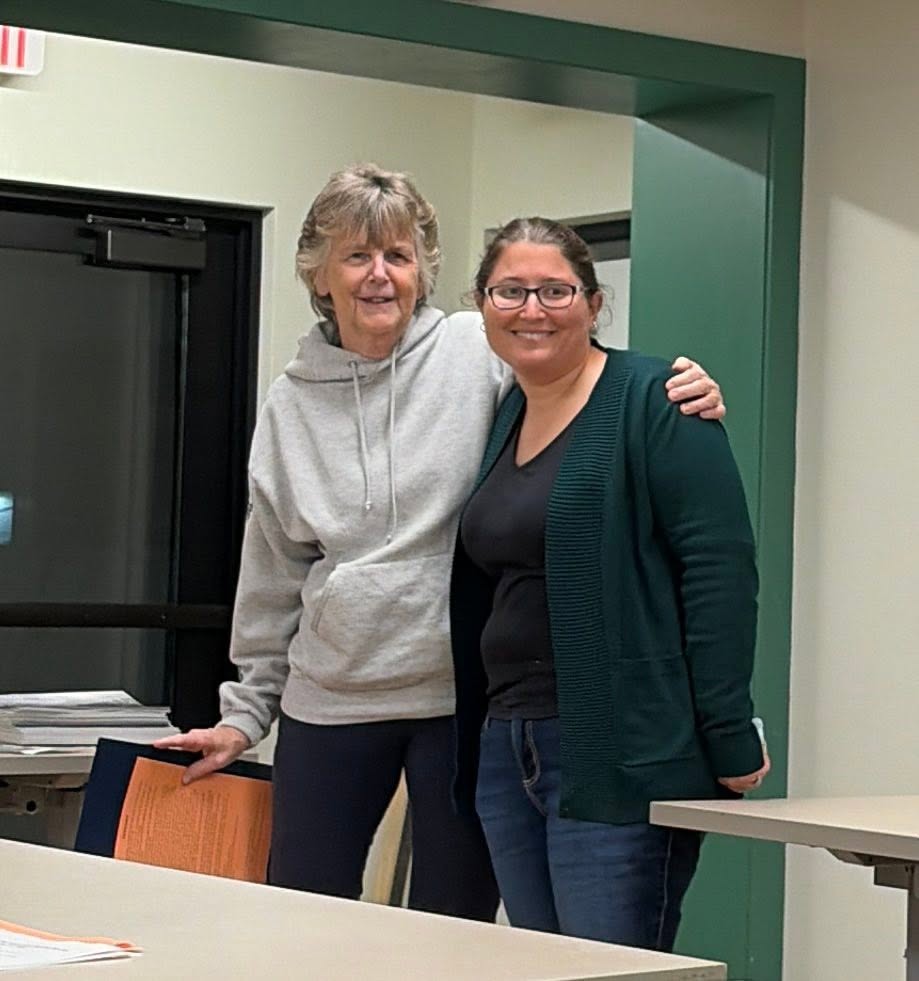
Three exceptional UConn 4-H volunteers have earned national recognition for their dedication to youth development and decades of service
two women standing together and smiling
June Zoppa (left) with Jen Cushman, State 4-H Program Leader.

to Connecticut communities. June Zoppa was selected as a 2026 National 4-H Hall of Fame Laureate, while Patricia Miele Bianchi received the National Salute to Excellence Lifetime Volunteer Award and Sam Spain was honored as the National Salute to Excellence Volunteer of the Year.

Together, these volunteers represent more than a century of service to Connecticut 4-H through leadership, mentoring, education, county fairs, camps, and innovative programming. Their efforts have helped countless young people develop confidence, leadership skills, and a commitment to community service. Sam Spain's work expanding robotics opportunities has introduced hundreds of youth to STEM experiences, while June Zoppa and Patricia Miele Bianchi have devoted decades to strengthening Hartford County 4-H and supporting generations of young people and volunteers.

UConn 4-H serves more than 29,000 youth annually across Connecticut, and the program's success is made possible by dedicated volunteers who give their time, talents, and expertise to help young people thrive. These national awards highlight the extraordinary impact volunteers have on Connecticut's future leaders.

National 4-H Award Winners

Environmental Projects Create Lasting Impact

nrca students in waterStudents across Connecticut are creating meaningful change in their communities through the Natural Resources Conservation Academy (NRCA) Conservation Ambassador Program. The 10-month program engages high school students in hands-on field experiences, mentorship, and community-based environmental action projects.  

Projects from this year's cohort addressed issues ranging from food waste reduction and food insecurity to biodiversity education and community conservation. Students gained valuable leadership, communication, and problem-solving skills while developing solutions tailored to local needs.  

Administered through UConn Extension and the College of Agriculture, Health and Natural Resources, NRCA helps students connect scientific knowledge with real-world action. By empowering young people to identify challenges and develop solutions, the program is helping cultivate the next generation of environmental leaders.  

Explore the NRCA Projects

Preparing Connecticut Communities for Future Coastal Hazards

Connecticut's shoreline communities face increasing challenges from coastal flooding, storm surge, sea level rise, and severe storms.Flooded road with a stop sign in a residential neighborhood Through research, education, planning tools, and partnerships, UConn Extension, Connecticut Sea Grant, and CLEAR are helping communities prepare for the future. 
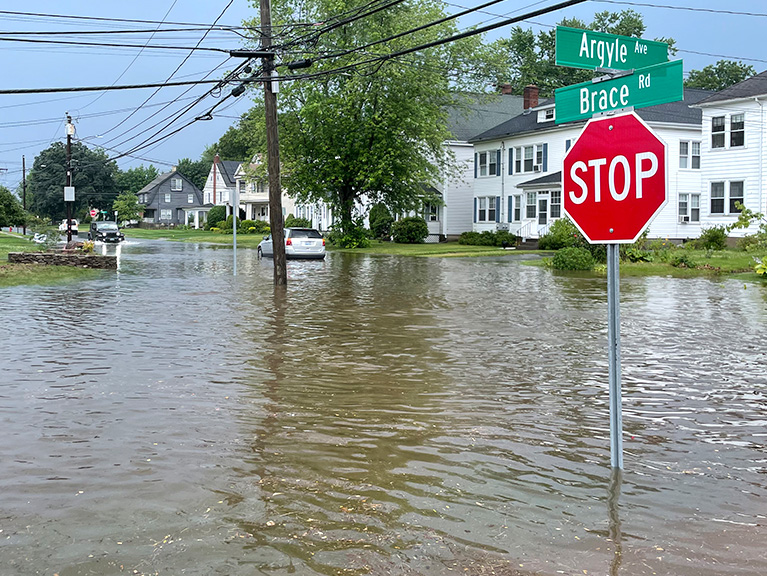
Extension specialists work with local officials, residents, and organizations to develop practical strategies that improve resilience, reduce risk, and support informed decision-making. From flood preparedness resources to community planning initiatives, these efforts help safeguard homes, businesses, natural resources, and public infrastructure. 

As Connecticut residents continue to experience changing weather patterns, research-based information and community partnerships remain critical tools for adaptation and preparedness. 

Coastal Planning Tools

October 17: Explore UConn's Newest Resource for Plant and Soil Health

Join UConn Extension for a free, family-friendly open house at the George Leigh Minor Plant and Soil Health Center. Visitors can meet experts, tour facilities, learn about plant diagnostic and soil testing services, and discover how UConn Extension supports homeowners, gardeners, landscapers, farmers, and municipalities across Connecticut.

The center serves as a hub for plant diagnostics, soil testing, and research-based education, helping residents make informed decisions about plant health and environmental stewardship. Whether you're curious about soil testing for your garden or want to learn how plant disease diagnostics work, the open house offers something for all ages.

George Leigh Minor Plant and Soil Health Center Open House

National 4-H Week: Invest in Connecticut's Future
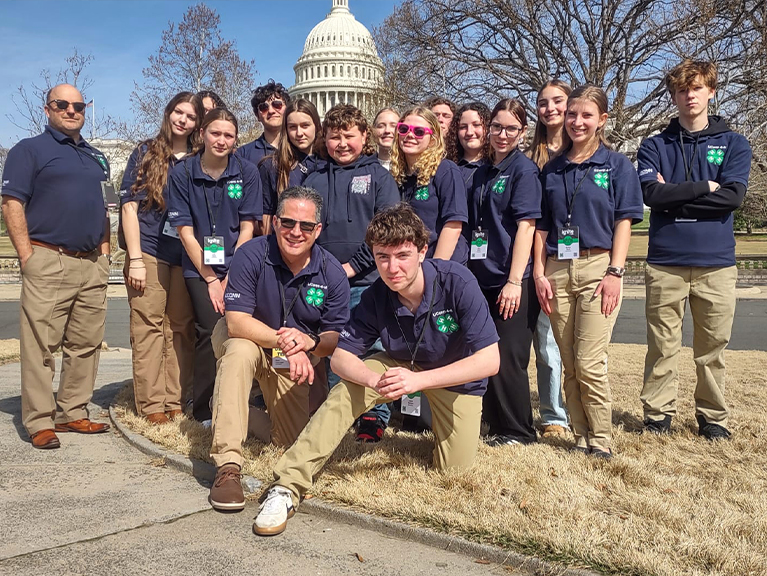
4_H students pose on the Washington DC Mall.

October 4-10 is National 4-H Week, a time to celebrate the young people, volunteers, and supporters who make 4-H possible. Through hands-on learning experiences in STEM, leadership, healthy living, and workforce development, UConn 4-H helps thousands of Connecticut youth build the skills and confidence they need to succeed. Gifts to the 4-H program support leadership opportunities, statewide events, volunteer training, educational resources, and experiences that prepare youth to become the next generation of leaders. 

Support Connecticut youth during National 4-H Week.

Give to UConn 4-H

Registration Open for 2026 Invasive Plant Symposium

Registration is now open for the 2026 CIPWG Invasive Plant Symposium, taking place on October 28 at the UConn Student Union. This year's theme, From Awareness to Action: Strengthening Our Response to Invasive Plants, will bring together land managers, conservation professionals, educators, volunteers, and community members to explore practical strategies for invasive plant management and ecosystem stewardship. Attendees may participate in person or purchase access to the symposium recording. Registration for in-person attendance closes October 13.  

CIPWG Symposium Registration

Featured Fact Sheet: The Health Benefits of Protein Powders

Protein powders have become a popular option for athletes, active adults, older adults, and others looking for a convenient source of dietary protein. A new UConn Extension fact sheet explores the different types of protein powders, who may benefit from using them, how to evaluate product quality, and considerations related to safety, cost, and nutrition. While protein supplements can be useful for some individuals, the publication emphasizes the importance of meeting nutritional needs through a balanced diet whenever possible.  

Protein Powder Fact Sheet

Featured Fact Sheet: PFAS and Microplastics

What are PFAS and microplastics, and how might they affect our health? This UConn Extension publication explains where these substances are commonly found, how exposure occurs, and what current research tells us about their potential impacts on human health and the environment. The fact sheet provides practical, science-based information to help readers better understand everyday chemical exposures and make informed decisions.  

PFAS and Microplastics

In Case You Missed It

Recent UConn Extension Stories:

  • Plant Lovers Wanted - learn how residents can help with citizen science projects related to plants