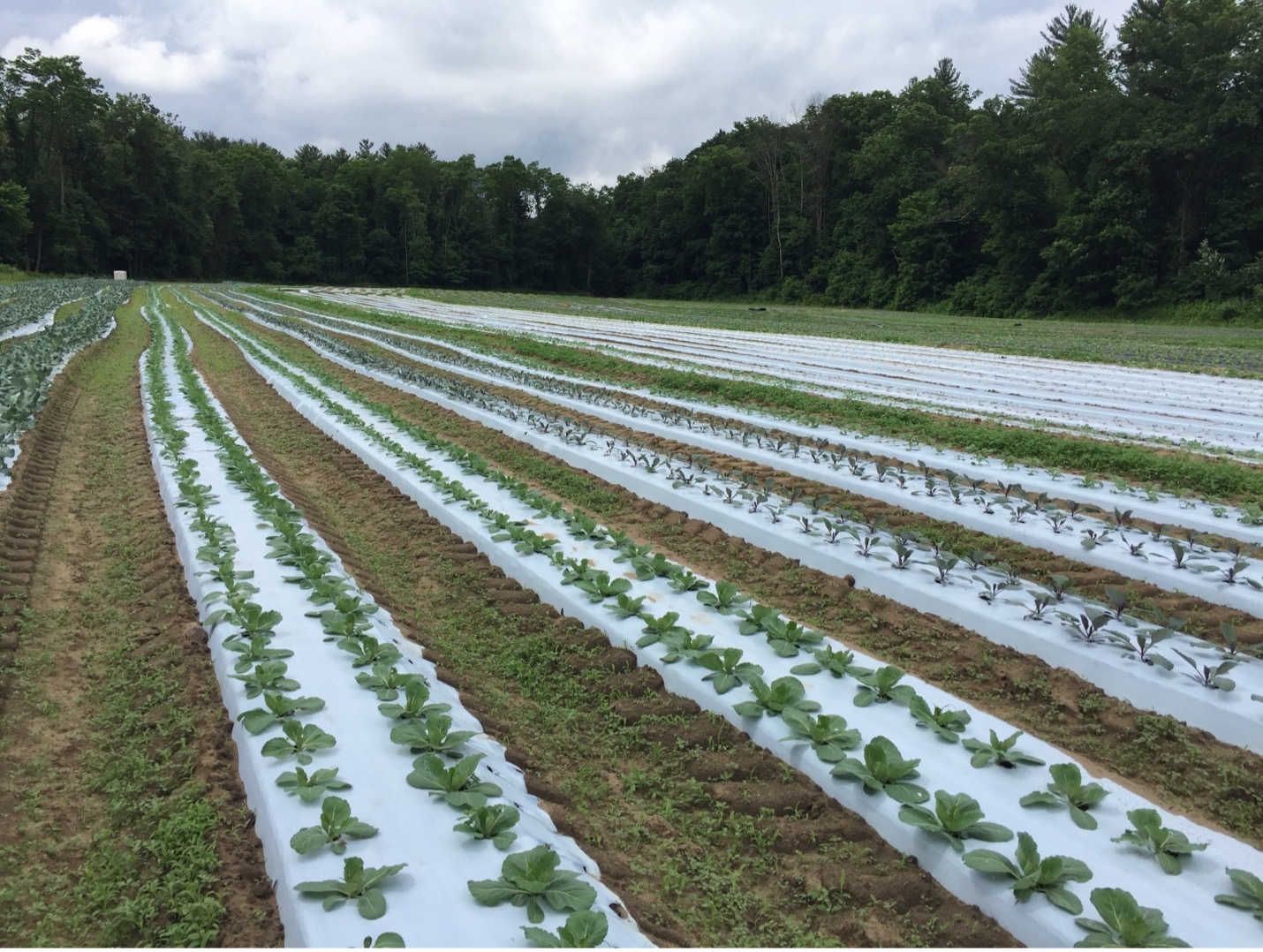
A new assessment examines how soil-biodegradable plastic mulches may help farmers reduce agricultural plastic waste while maintaining crop productivity. The review, published in the Journal of the American Society for Horticultural Science, provides an updated synthesis of research on biodegradable mulch technologies, their performance in the field, and considerations for future adoption.
The assessment was led by Dr. Shuresh Ghimire, associate extension educator and vegetable specialist with UConn Extension, in collaboration with researchers from Washington State University and the University of Tennessee. The publication updates a 2017 review and examines advances in mulch materials, degradation processes, environmental impacts, economics, certification standards, and applications in organic agriculture.
Plastic mulch is widely used in specialty crop production because it helps conserve soil moisture, suppress weeds, regulate soil temperature, and improve yields. However, conventional polyethylene mulch creates significant disposal challenges after harvest. Soil-biodegradable plastic mulches have emerged as a potential alternative that can be incorporated into the soil after use, reducing the need for removal and disposal.
According to the review, decades of research indicate that biodegradable mulches can provide many of the same crop production benefits as conventional plastic mulches, including weed control, moisture retention, and support for crop yields. Studies across numerous specialty crops have found that yields produced with biodegradable mulches are often comparable to those achieved with polyethylene mulch.
Despite these promising findings, adoption remains limited. The review notes that biodegradable mulches account for less than 1% of the mulch market, while conventional polyethylene products continue to dominate usage. Researchers cite the need for additional information on field performance, soil degradation, environmental impacts, and long-term soil health effects to support broader adoption.
The authors also highlight the importance of understanding how local conditions affect mulch degradation. Factors such as soil type, climate, moisture levels, and mulch composition can influence how quickly materials break down. In cooler or drier environments, including parts of the northeastern United States, biodegradation may occur more slowly.
The review also explores challenges related to certified organic production. While biodegradable mulches have generated interest among organic growers, regulatory requirements regarding feedstocks and manufacturing processes have limited widespread approval and use. Continued research and policy discussions will help determine their future role in organic agriculture.
“As agriculture seeks practical solutions to reduce plastic pollution while maintaining productivity, soil-biodegradable mulches continue to emerge as a promising technology,” said Dr. Shuresh Ghimire. The assessment concludes that continued innovation, standardized evaluation methods, and additional research will be essential to understanding environmental impacts and supporting informed adoption decisions.